Every mineral processing project has the same three letters on the contract: EPC — Engineering, Procurement, Construction. The difference between a turnkey line that works on day one and one that spends its first year fighting interface problems is decided before you sign, in the questions you ask the mining EPC contractor. This is the checklist we give buyers, written the way we would want it written for ourselves.
What "turnkey" actually covers
On a real site, EPC means the supplier owns the complete chain: process design and layout, equipment selection and manufacturing, delivery, erection and installation, commissioning, and operator training. What it should not mean is "a list of machines." The first document to request is the scope-of-supply boundary: which systems are in, which interfaces the supplier owns, and where the owner's responsibility begins. Fuzzy boundaries are where turnkey projects lose money.
Check 1 — can you see the factory?
The most reliable qualification is the equipment the supplier has already built. Ask for the manufacturing base — not the sales office — and a list of shipped projects with references you can verify. A factory that has built the machine class you are buying, repeatedly, is in another risk category from one that sources it from a third party.
Check 2 — who owns the thermal balance
For kiln-based lines (lime, calcination, pelletizing), the thermal balance across preheater, kiln and cooler is the engineering core. Ask the contractor to show the heat-balance logic for a comparable shipped line, not just equipment data sheets. Equipment suppliers quote machines; EPC contractors must own the balance.
Check 3 — the spares strategy is in the contract
Wear parts and refractory are consumed on a schedule. The spares pack — what is included, what is scheduled for the first campaign, and the replenishment lead time from factory to your port — should be a contract appendix, not a promise in a meeting. For sites far from the supplier, this single appendix decides your availability in year two.
Check 4 — commissioning support and handover
Ask how the first campaigns are supported: who is on site, for how long, what the acceptance criteria are — product quality at design feed, fuel rate at design throughput — and how operator training is delivered. A turnkey handover with written acceptance criteria is the difference between "commissioned" and "proven."
Check 5 — the reference call
Call one shipped project and ask three questions: was it commissioned inside the agreed window, what did the first overhauls cost, and would they buy again. The answer to the third question is worth more than any certificate.
How DMTC runs turnkey lines
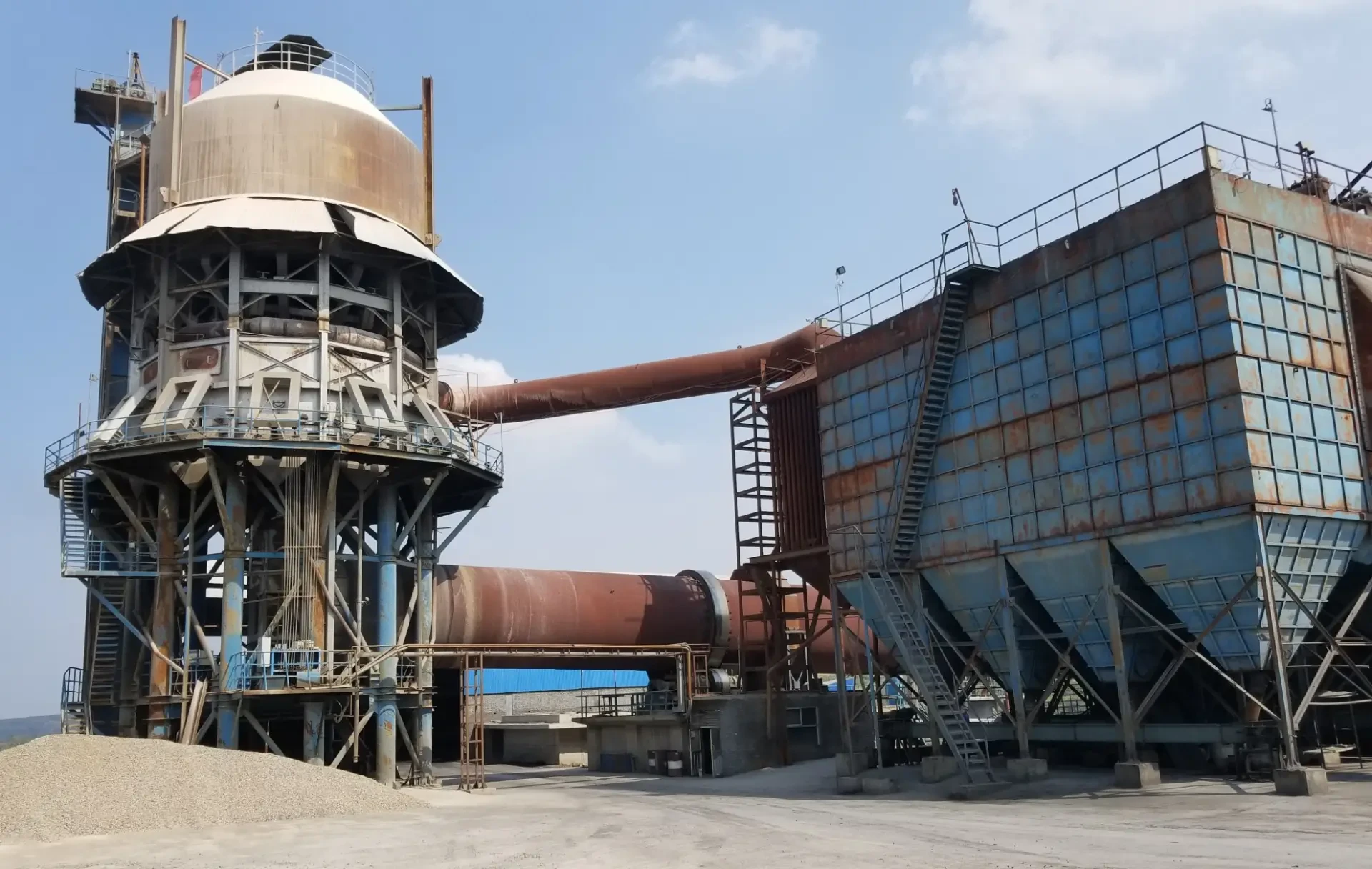
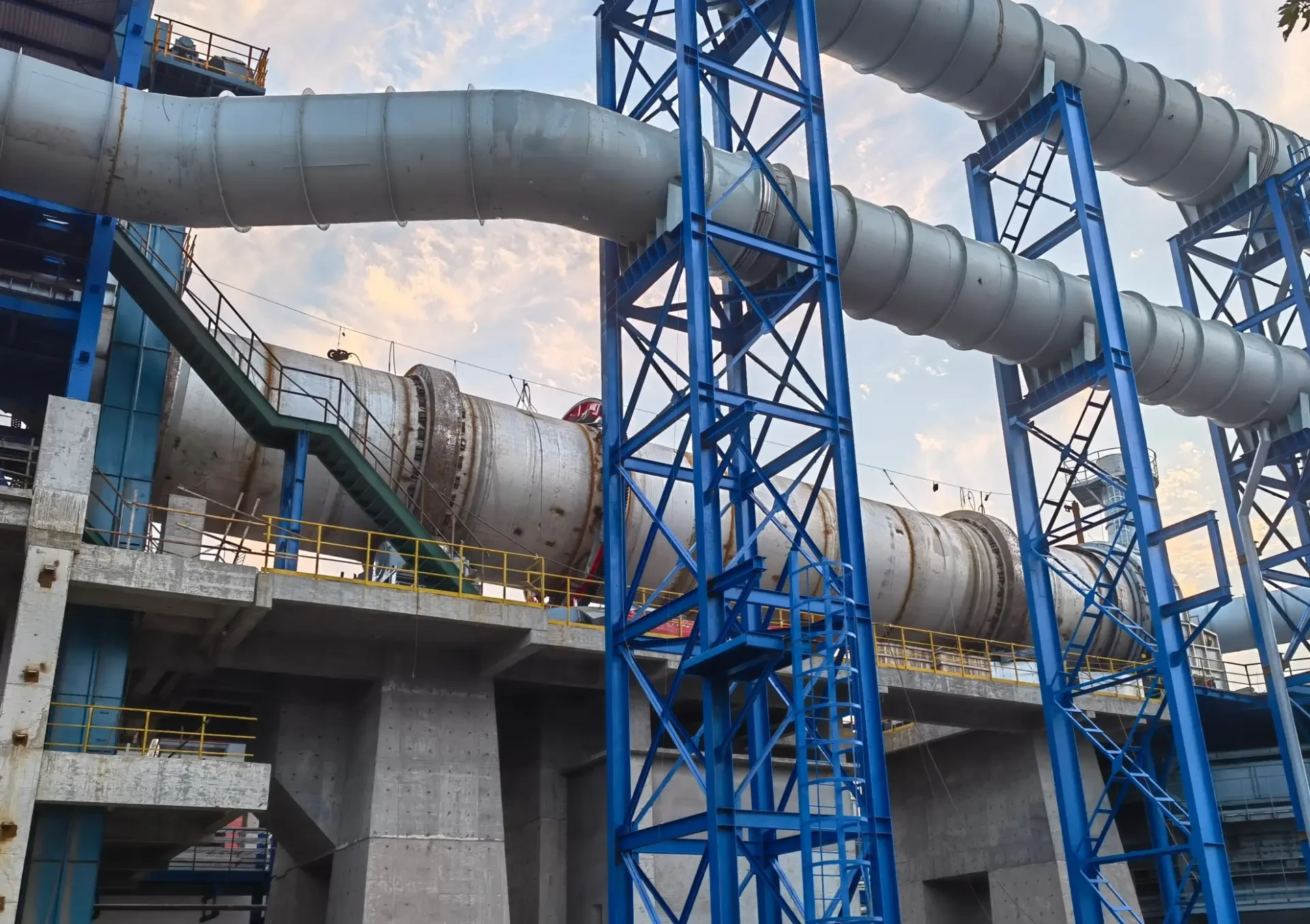
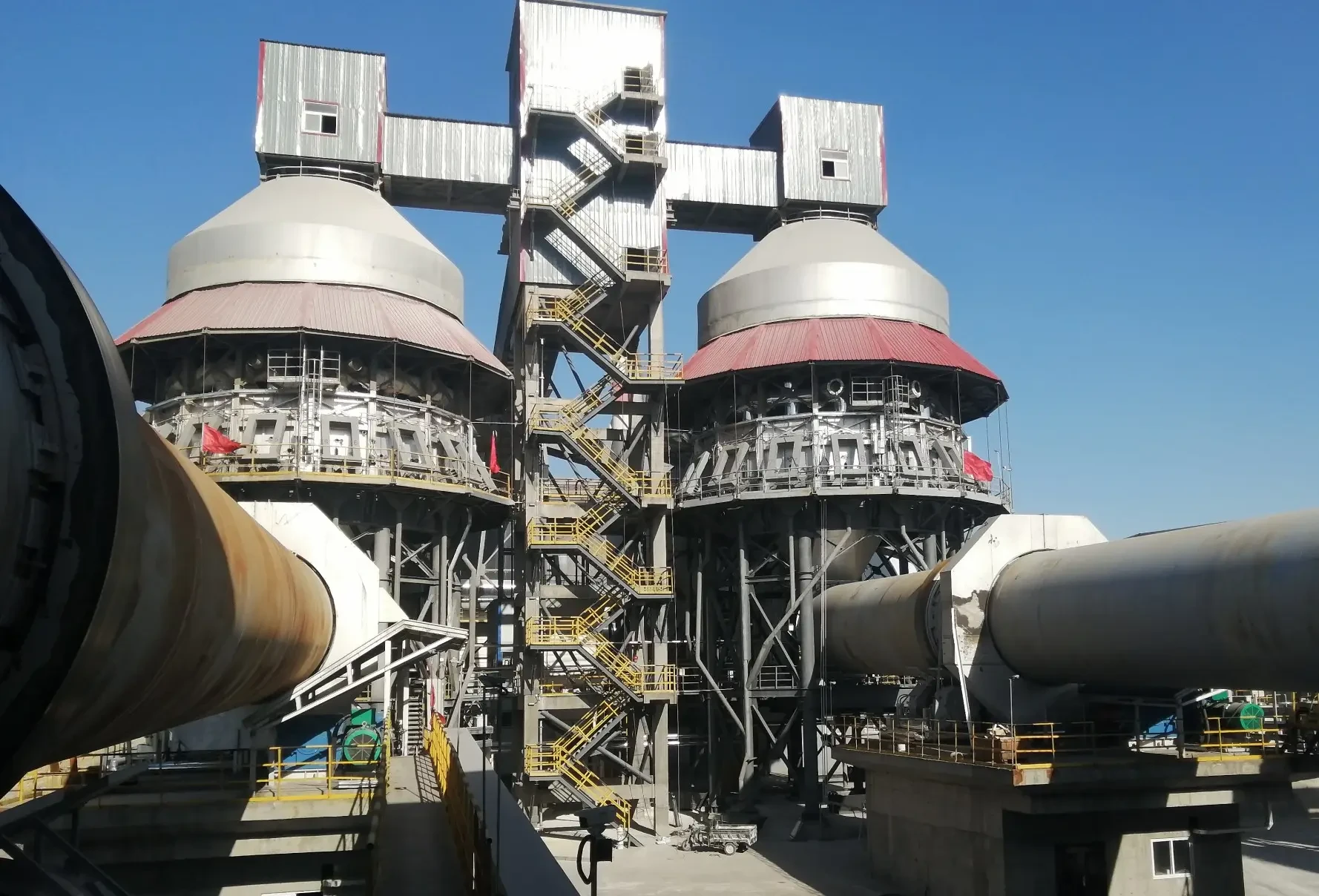
DMTC Mining is the overseas division of a plant that has built rotary kiln lines since the 1950s and supplied more than 1,000 kiln lines. Delivered projects include active lime lines in China, West Africa and Iran, a clinker line in Vietnam and a pelletizing line in Brazil — from single-equipment scope to full turnkey. On every turnkey project, the checklist above is applied to ourselves first: factory-visible manufacturing, the thermal balance as a design deliverable, the spares pack as a contract appendix, and written handover criteria.