Quicklime is a daily consumable in steel and non-ferrous operations. The main use of quicklime on a plant site has three parts: it forms the flux in blast furnace and EAF slag, treats leaching dust, and conditions flue gas. Buying it from outside means a supply chain the plant does not control — quality varies between shipments, and a missed delivery stops more than the lime consumer. Most large operations therefore run their own calcination line next to the mill or smelter.
Step 1 — map the full lime demand
Size the line on the real consumption curve, not on steel tonnage. Three consumers usually coexist: flux for slag (the largest share), dust and sludge treatment, and flue gas desulfurization. The FGD consumer runs whenever the stack runs, independent of the steel schedule — it is the demand most often forgotten at sizing stage. Add campaign peaks and headroom, and the result is the daily output the kiln line must hold continuously.
Step 2 — choose the line configuration
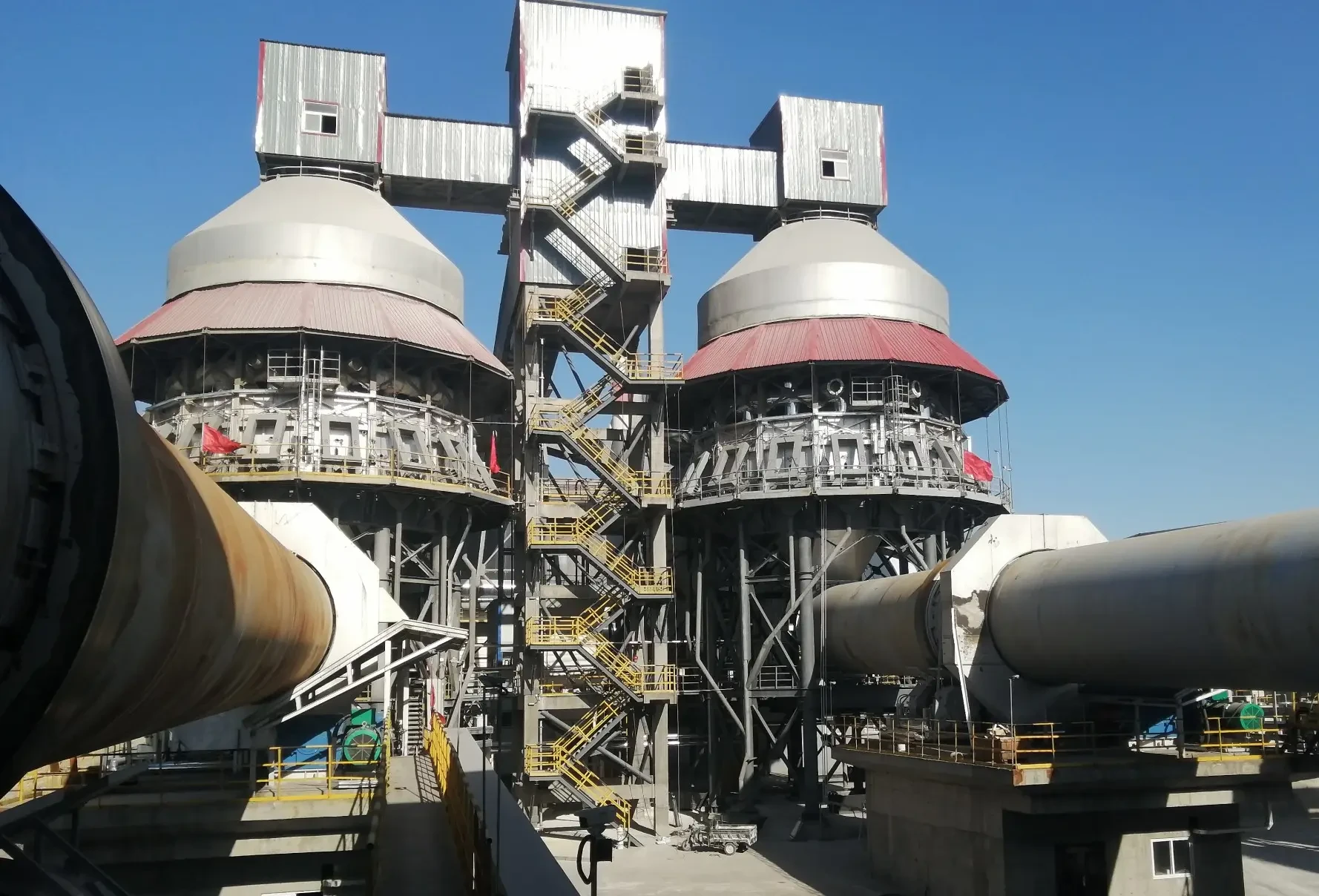
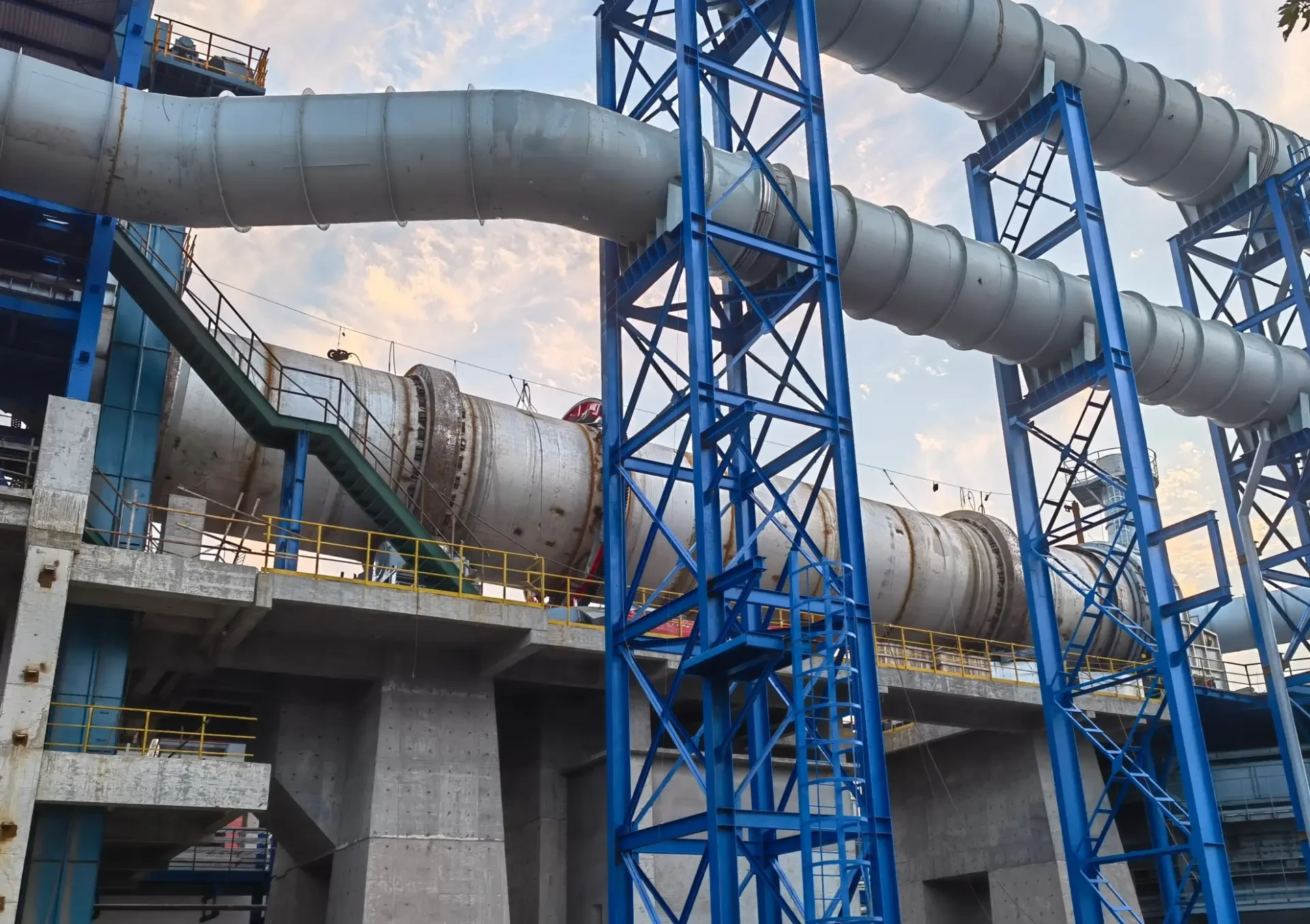
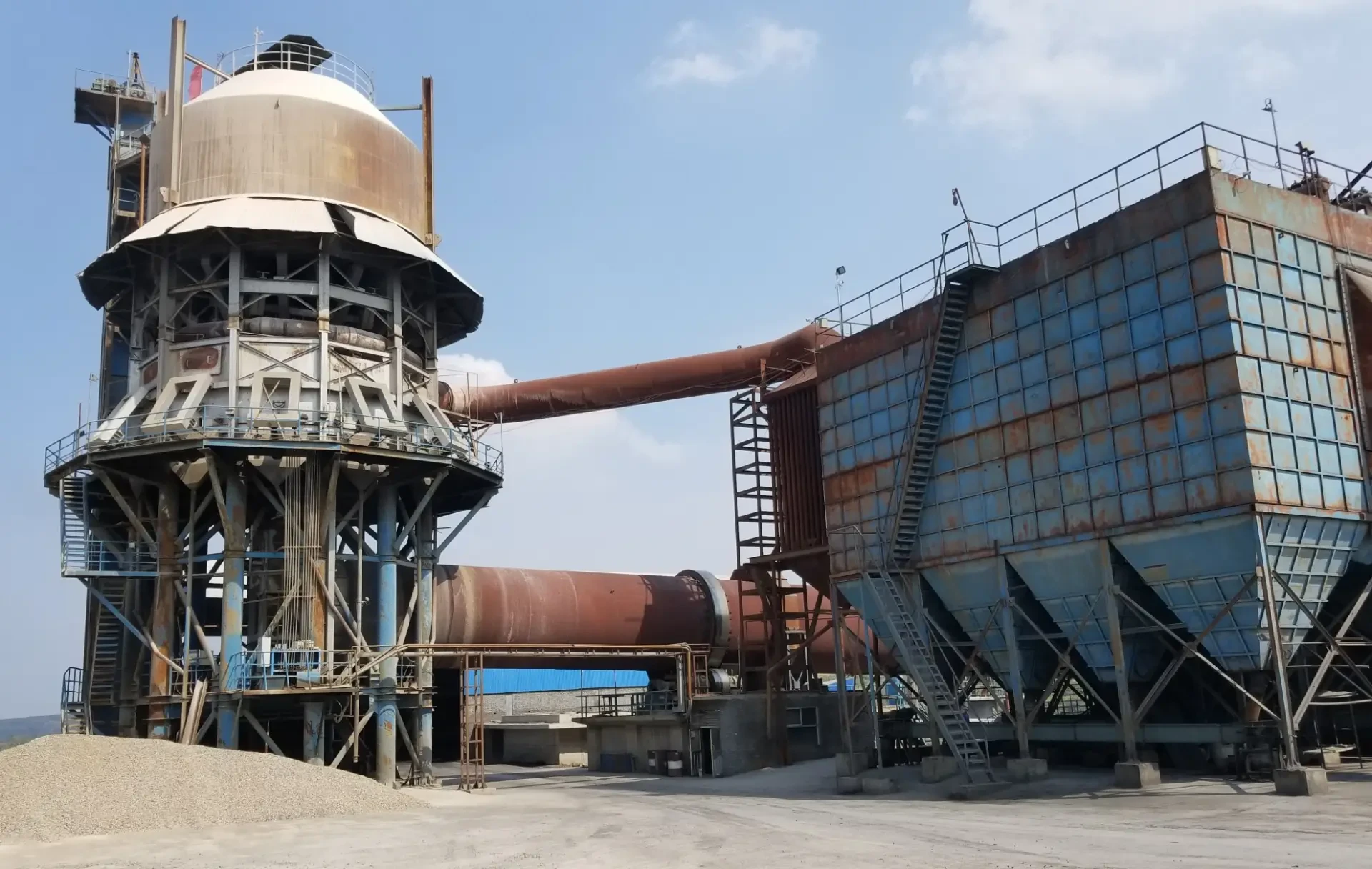
Two proven rotary lime kiln layouts cover most of the range. A preheater–kiln–cooler circuit (crushing, vertical preheater, rotary kiln, vertical cooler) suits continuous high-throughput duty: kiln exhaust preheats and partially calcines the feed, and the cooler preheats combustion air, cutting the fuel the burners must supply. A crushing–dry-grinding–kiln circuit uses a vertical roller mill with air-swept drying, which handles seasonal feed moisture in one machine with no separate dryer. DMTC delivers both quicklime layouts across a 50–1,200 t/d platform, with rotary kilns in the Ø4.0×60 m to Ø6.2×87 m class.
Step 3 — fuel and heat recovery
Calcination heat is the line's dominant operating cost, so the thermal loop decides the fuel bill: preheat the feed with kiln exhaust, recover heat from the hot product, and burn the cheapest fuel the local market allows — natural gas where available, low-grade or alternative fuels where it is not. The difference between a good design and a weak one shows up in the fuel rate per tonne within the first campaign.
Spares and commissioning
Refractory and wear parts age on a schedule; a line delivered without a packaged spares strategy spends its first year hunting components. For sites far from the equipment market, remote commissioning support and a spares pack sized to regional logistics are part of the engineering, not an afterthought.