A rotary kiln is a long, slightly inclined rotating cylinder that moves bulk material through a high-temperature zone as it turns — the workhorse machine of cement clinker burning, lime calcination and ore roasting. This guide covers how the machine works inside, which type fits your process, what the published size range actually means when you are selecting equipment, how the burner and the refractory set your fuel and service limits, and what drives the price.
DMTC Mining manufactures complete rotary kiln systems in Dalian, China, for cement, building-materials and metallurgical plants. The company is part of a heavy industry group operating since 1959, runs two production bases covering 450,000 m², and — by its own project record — has delivered equipment to more than 100 countries.
What Is a Rotary Kiln?
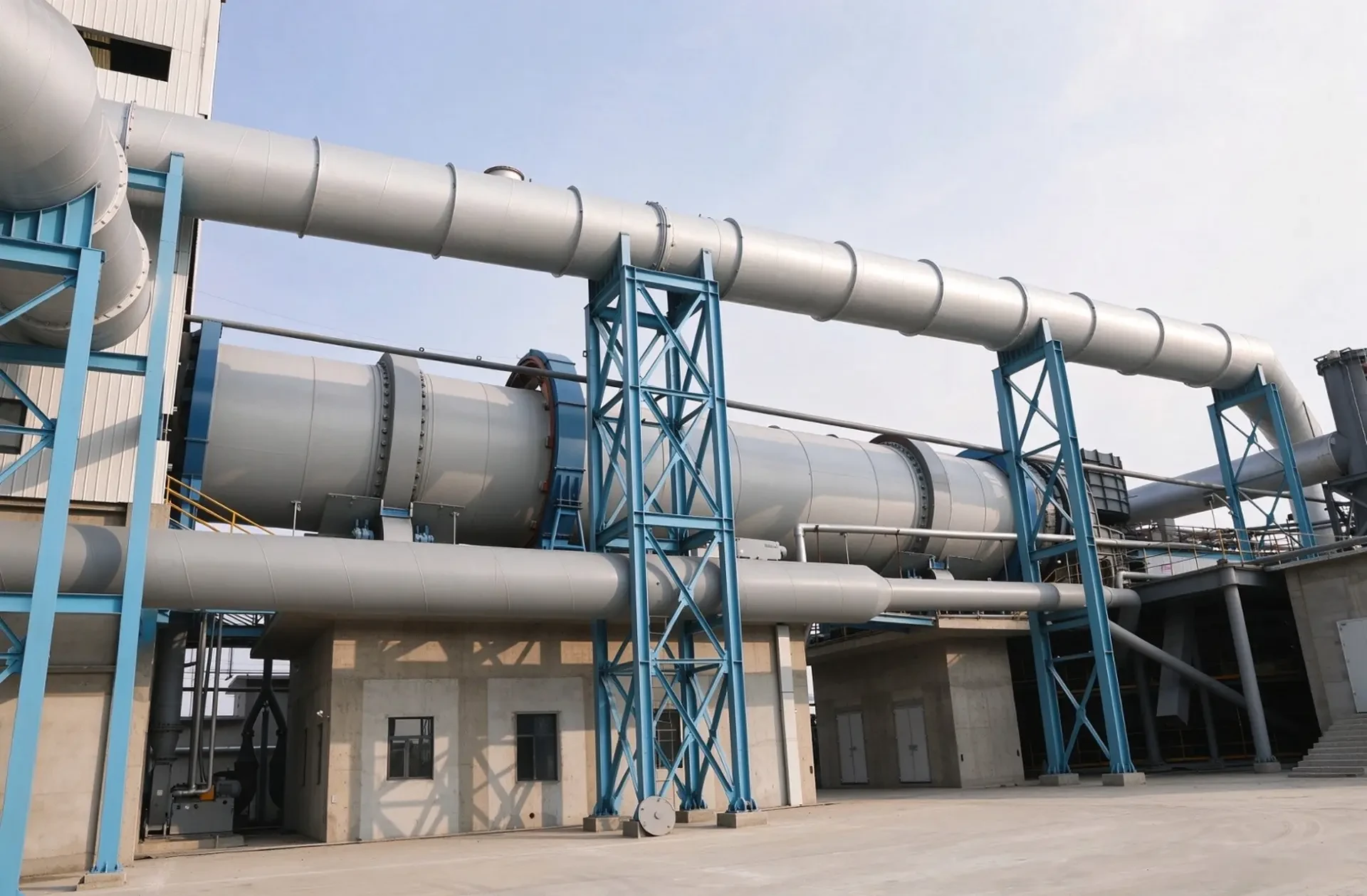
A rotary kiln is a continuously operating cylindrical furnace, tilted a few percent off the horizontal — our systems run at a 4% slope — in which raw material is fed at the upper cold end and discharged at the lower hot end. Rotation plus the small slope moves the material axially, while combustion gases carry the heat; in direct-fired designs the gases mix directly with the material.
Three things separate a rotary kiln from a static furnace:
Continuous operation: 24-hour throughput measured in tons per day, not in batches.
Counter-flow heat exchange: hot gas and cold feed meet in the middle of the shell, which is why the machine stays efficient at very high temperatures.
Scalability: the same design logic works from a small lime kiln to a large cement or roasting line.
Typical process temperatures: cement clinker forms around 1,450 °C, while lime and dolomite calcination runs roughly 900–1,300 °C. These are standard process values — the design point is set by your material and your target product spec.
Inside the Kiln: Shell, Refractory and Ring Gear
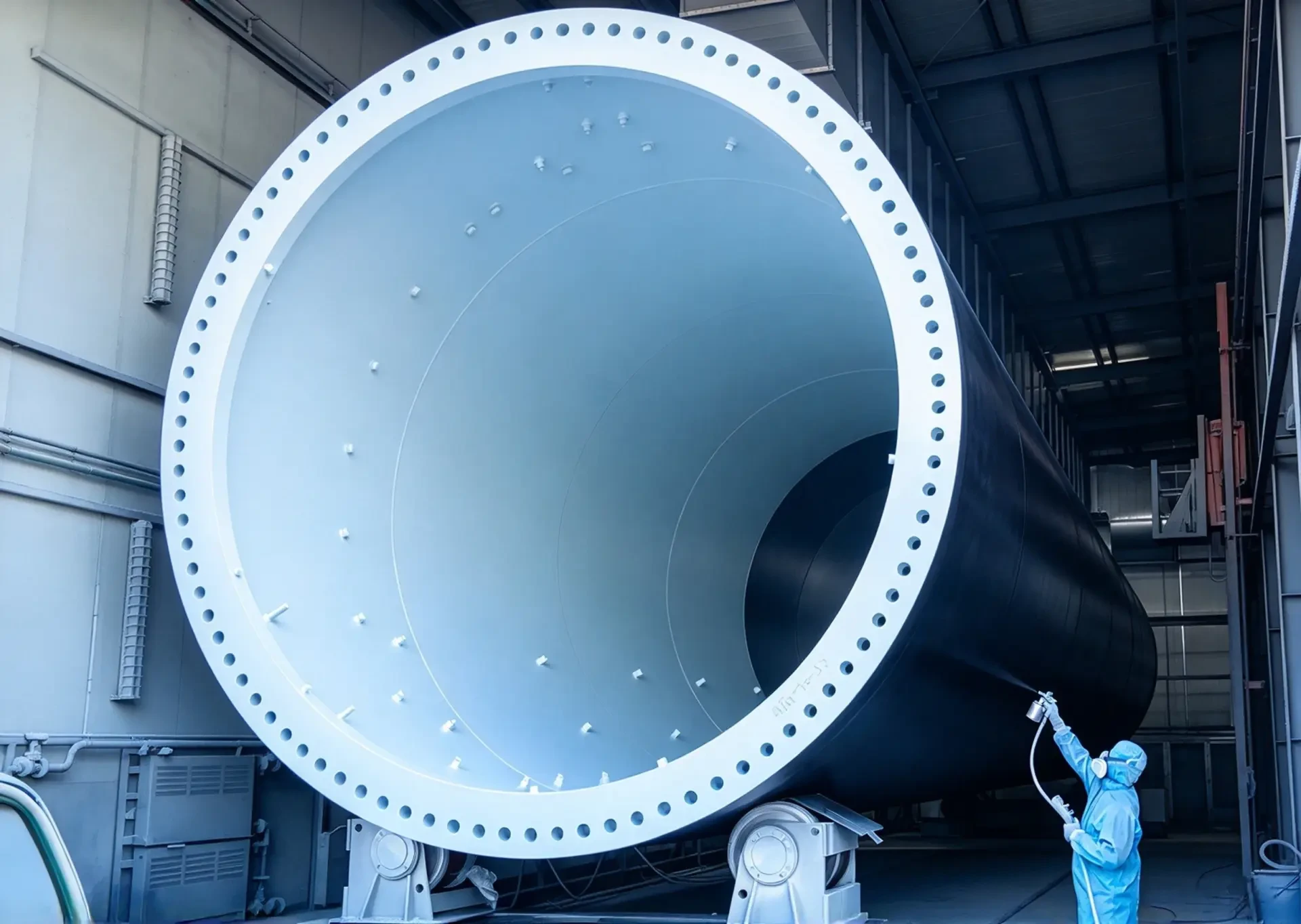
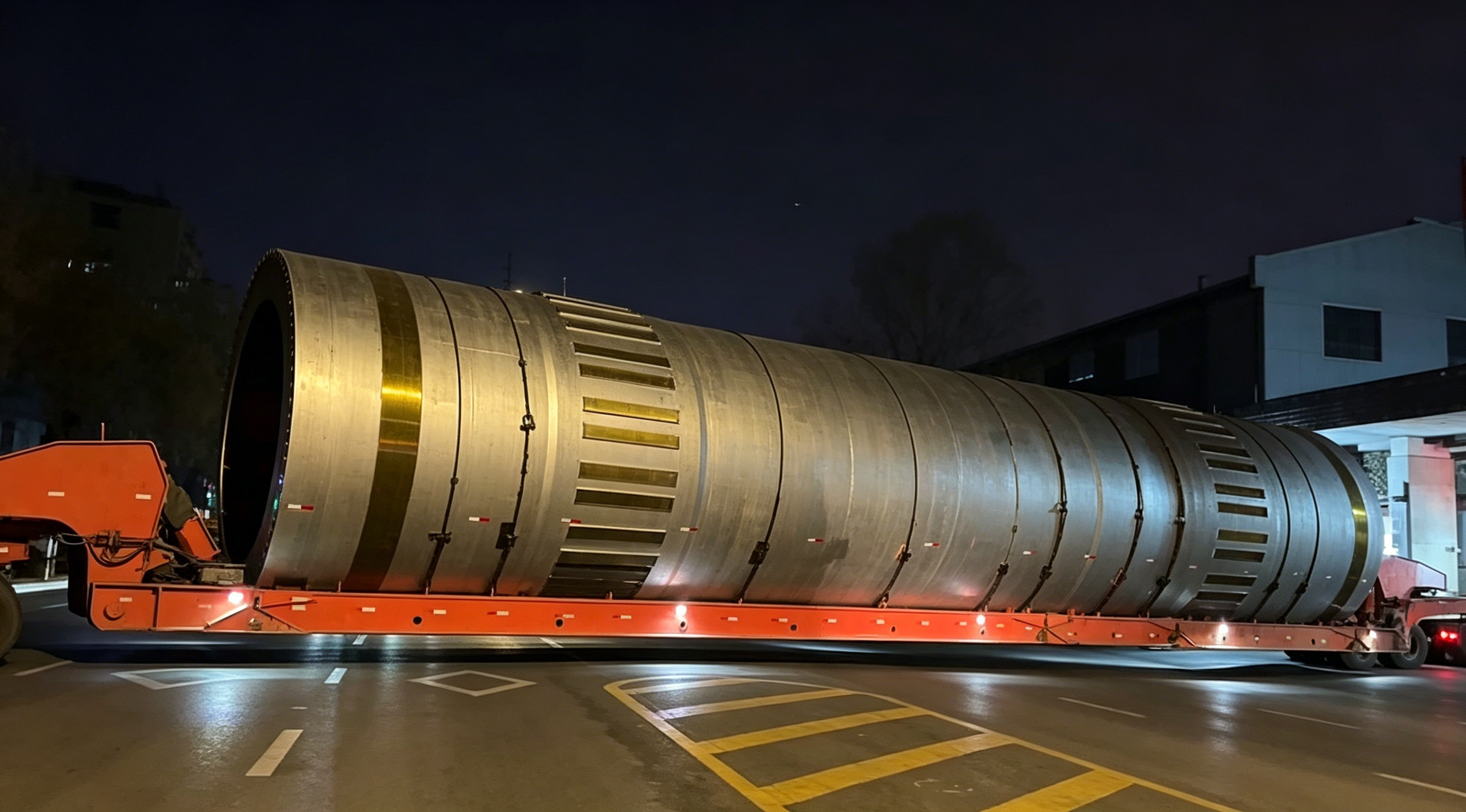
The shell is a carbon-steel cylinder; across the DMTC Mining range it spans φ4.0×60 m to φ6.2×87 m, and the equipment reaches a maximum diameter of 7 meters. Inside, the refractory lining — built up in zones from the hot end toward the cold end — is what actually keeps the steel out of the flame. The rotating mass rides on steel tires and is driven by a ring gear and main motors in the 315–1,050×2 kW range across the size series.
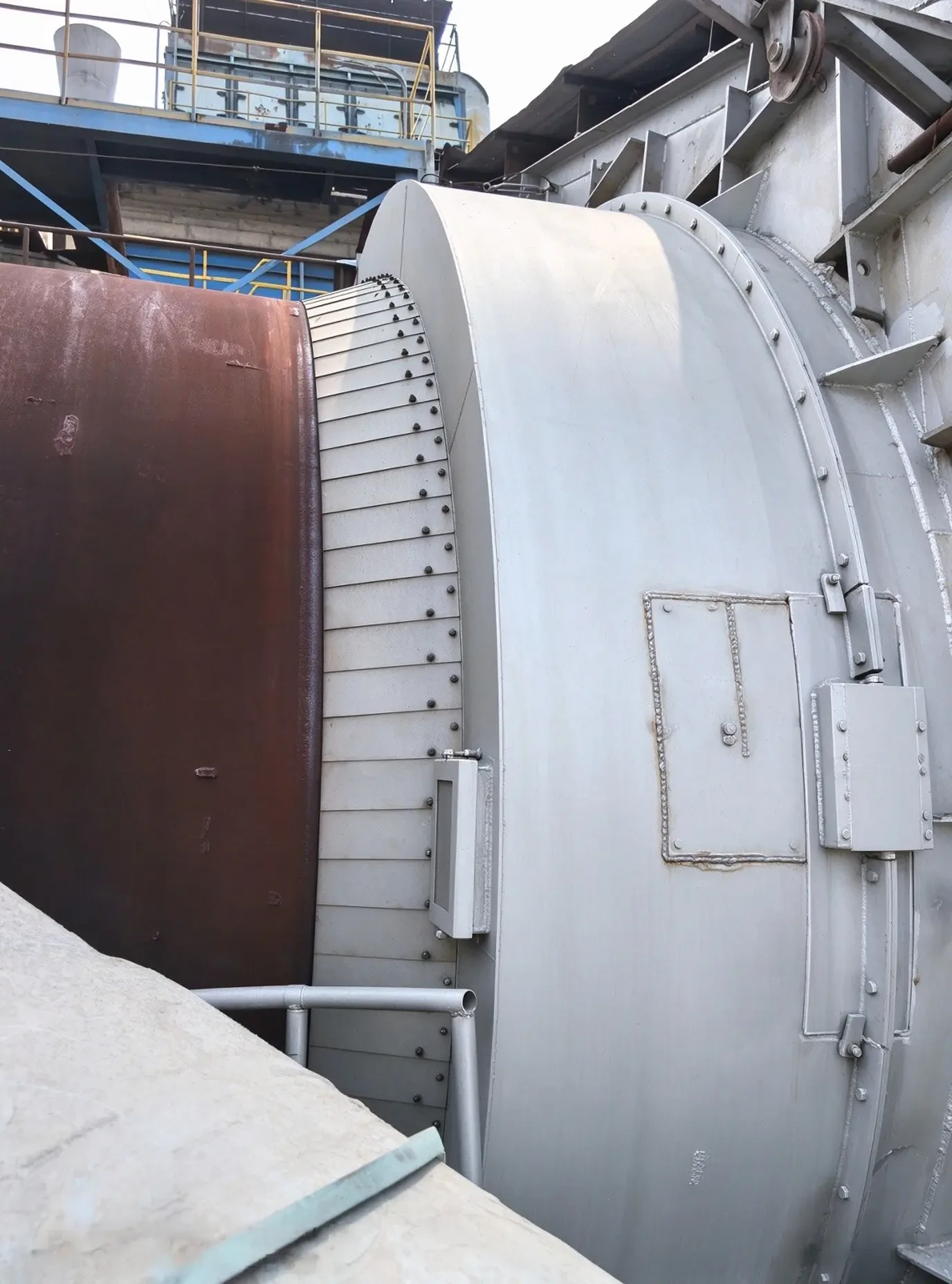
Two components decide a kiln's service life more than any others:
The ring gear. The largest precision cast-and-machined part on the machine. Tooth profile accuracy, material and heat treatment decide whether the drive runs quietly for a decade. DMTC Mining does precision casting and large-scale machining in-house.
The refractory profile. Zoned lining matched to the temperature curve is exactly why a clinker kiln is not the same shell as a lime kiln — same family, different internals.
Types of Rotary Kilns and What They Process
Cement kilns — clinker burning; the highest-temperature duty and the largest sizes.
Lime / dolomite kilns — calcination of stone into quicklime and building limes; a core application for DMTC Mining.
Metallurgical roasting kilns — oxidizing or reducing roasting of ores and pellets, ahead of grinding or sintering.
Incinerator kilns — the waste-to-energy variant that shows up in searches; different gas handling and refractory demands. DMTC's line focuses on cement, building materials and metallurgy.
Burners: The Part That Sets Fuel Flexibility
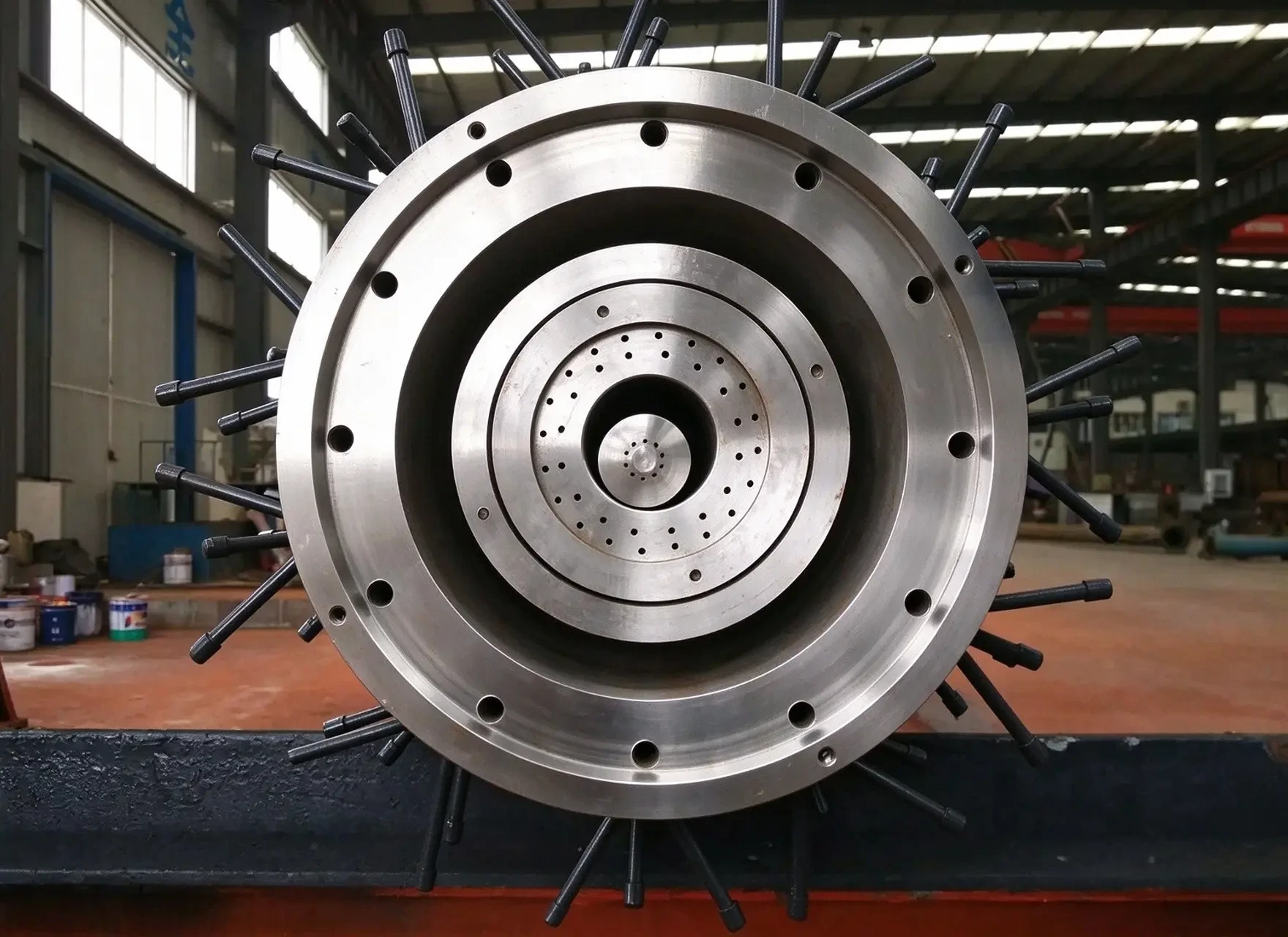
The burner is the kiln's interface with fuel: pulverized-coal, gas or oil burners shape the flame, set the thermal profile, and — in modern plants — are the main lever for fuel switching. When a plant moves from coal to gas, or plans a mixed-fuel strategy, the burner is usually what gets changed, not the shell.
DMTC Mining supplies the burner as part of the complete rotary kiln system, matched to the shell size and your fuel plan.
Sizing: Diameter, Length, Slope and Throughput
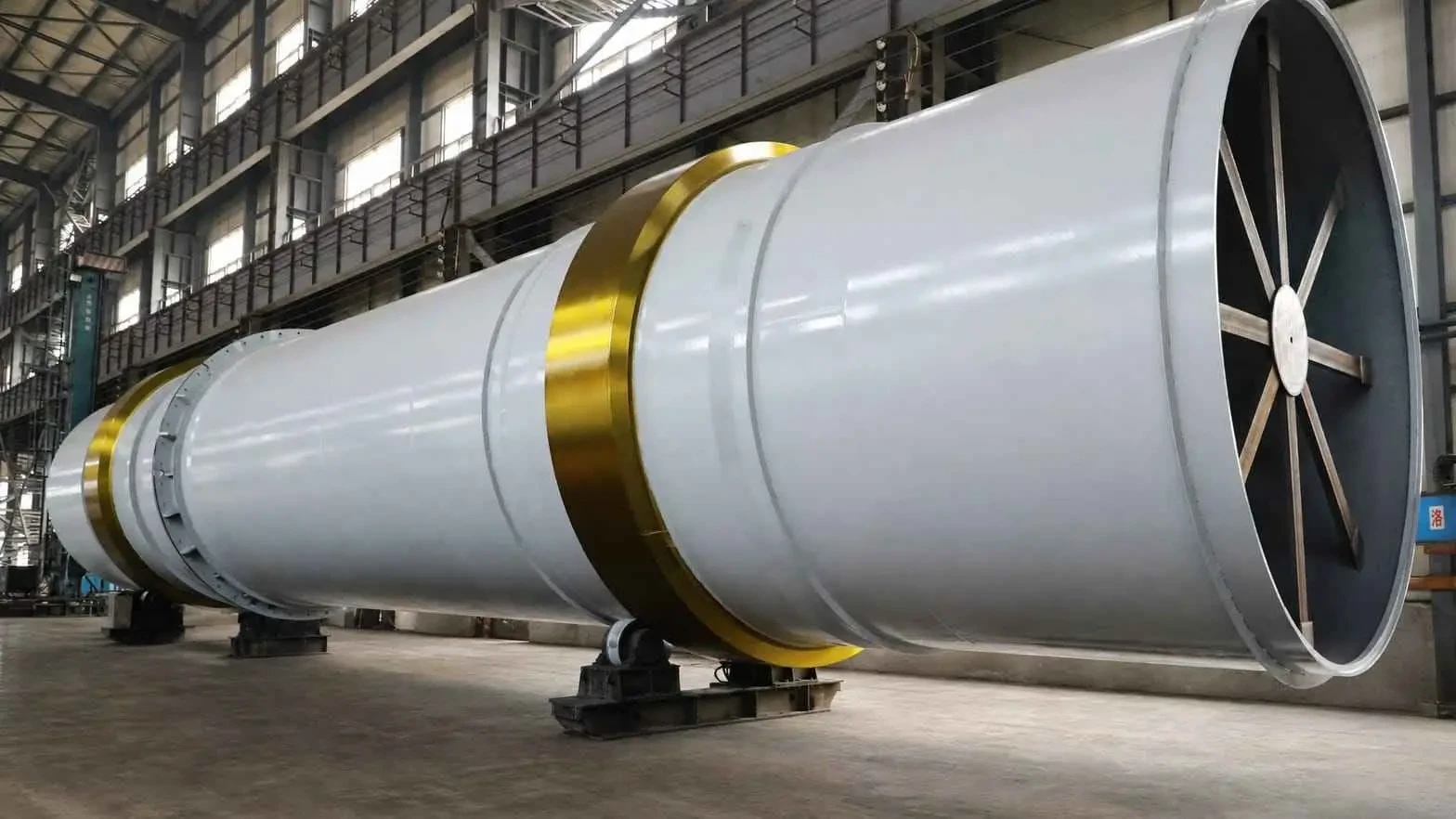
Here is the rotary kiln system range as published in the DMTC Mining catalogue:
| Parameter | Range (DMTC Mining rotary kiln system) |
|---|---|
| Shell size | φ4.0×60 – φ6.2×87 m (maximum diameter 7 m) |
| Output | 2,500 – 12,000 t/d |
| Rotation speed | 0.4 – 4.58 r/min |
| Slope | 4% |
| Main motor power | 315 – 1,050×2 kW |
Sizing is a triangle: feed rate, residence time and temperature curve. Double the daily output and you buy more diameter, more length, more motor power — in that order.
By the manufacturer's own record, more than 1,000 projects have been completed globally with this equipment family.
Rotary Kiln vs Rotary Drum Dryer: Don't Buy the Wrong Machine
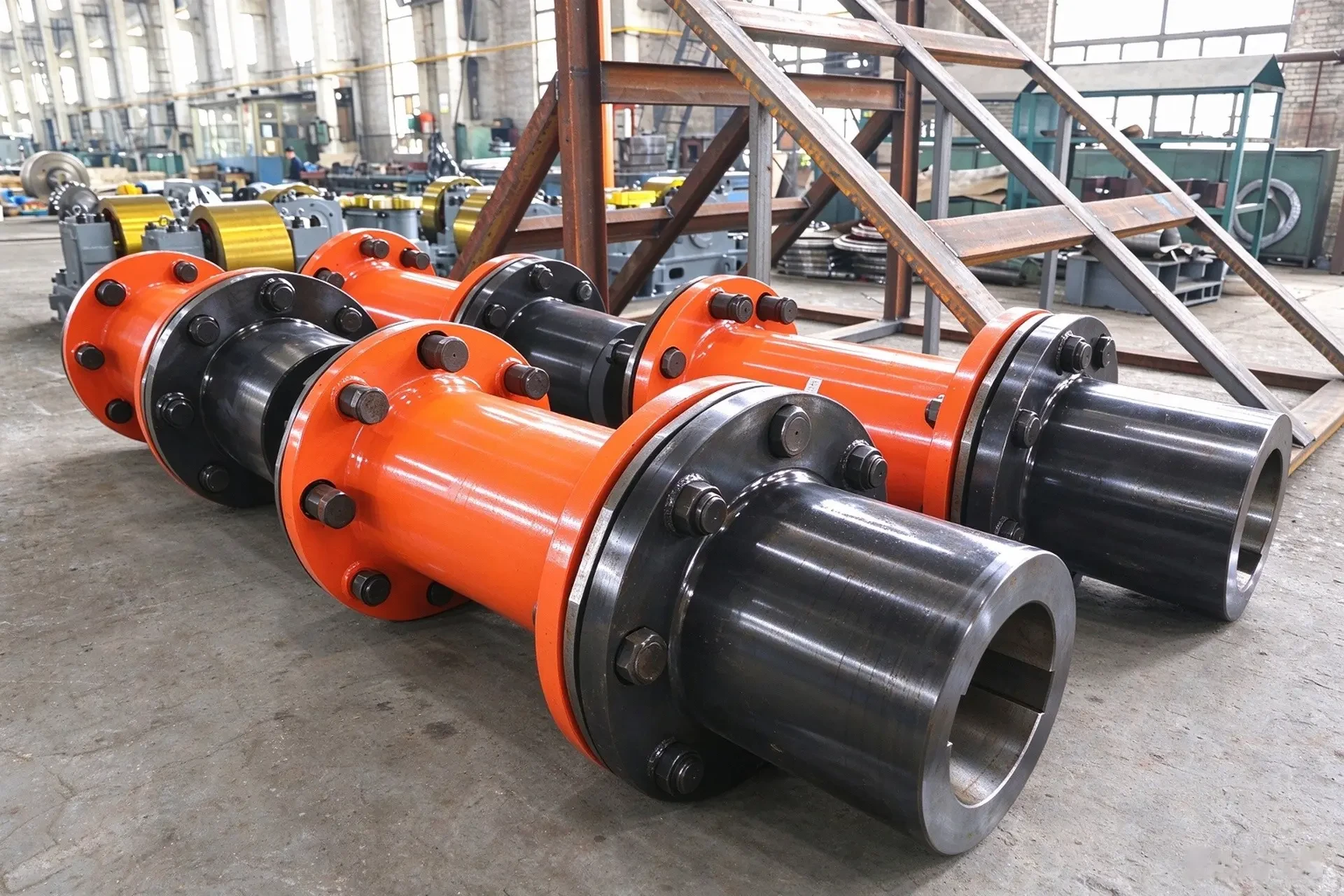
Buyers regularly mix up the two, because both are long rotating cylinders. They are different machines:
| Rotary kiln | Rotary drum dryer | |
|---|---|---|
| Job | Calcination / roasting — chemical change at high temperature | Moisture removal — physical drying, no chemical change |
| DMTC Mining size range | φ4.0×60 – φ6.2×87 m | φ2.4×18 – φ5.0×40 m |
| Capacity | 2,500 – 12,000 t/d | 8 – 150 t/h |
| Moisture spec | not applicable (thermal process) | 15–35% in, 2–20% out |
They also often run together: a cement plant dries raw meal before the kiln, and a laterite nickel line uses a dryer in the Φ4.2×32 or Φ5.0×40 class before downstream processing. If your project brief calls for both, buy the pair as one thermal system — it specifies, prices and delivers better that way.
What Determines the Price of a Rotary Kiln?
Rotary kilns are made to order — there is no public price list, and any fixed "rotary kiln price" you see online is not comparable to a real project quote. What actually moves the number:
Size and daily output — the single largest factor.
Scope: shell only, or complete system with drive, ring gear, burners, feed/discharge and sealing.
Refractory: supplied and installed, or customer-furnished.
Automation level: manual, PLC, or DCS with remote monitoring.
Fuel configuration: coal, gas, or dual.
Spare parts package and delivery terms (FOB / CIF).
When comparing bids, compare scope line by line. A low headline price is usually a shell with the expensive parts left out.
How to Choose a Rotary Kiln Manufacturer
A cheat sheet for the factory visit or the RFQ evaluation:
Track record in thermal equipment — by company data: 100+ countries served, 5,000+ equipment units delivered, 20+ years of export experience.
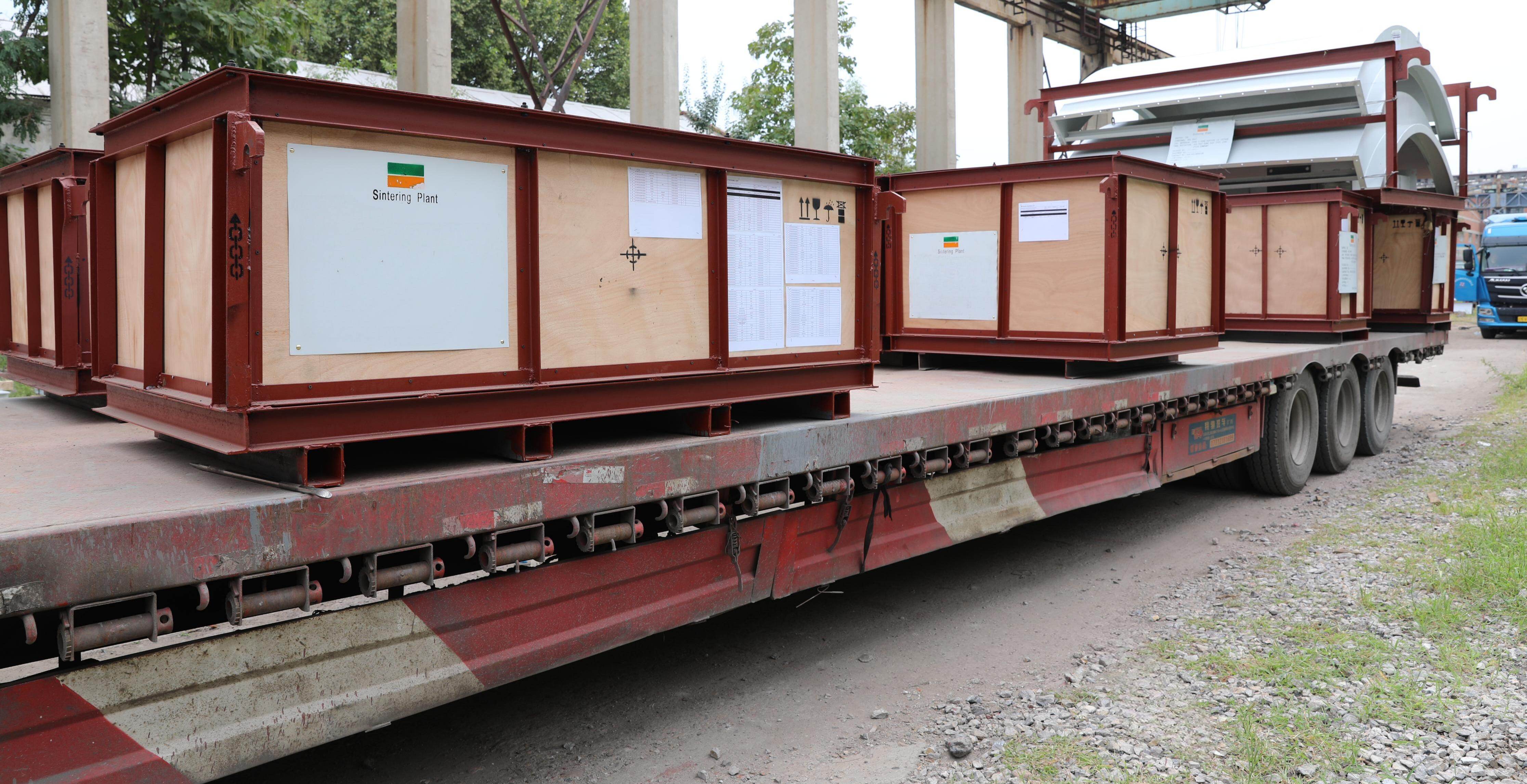
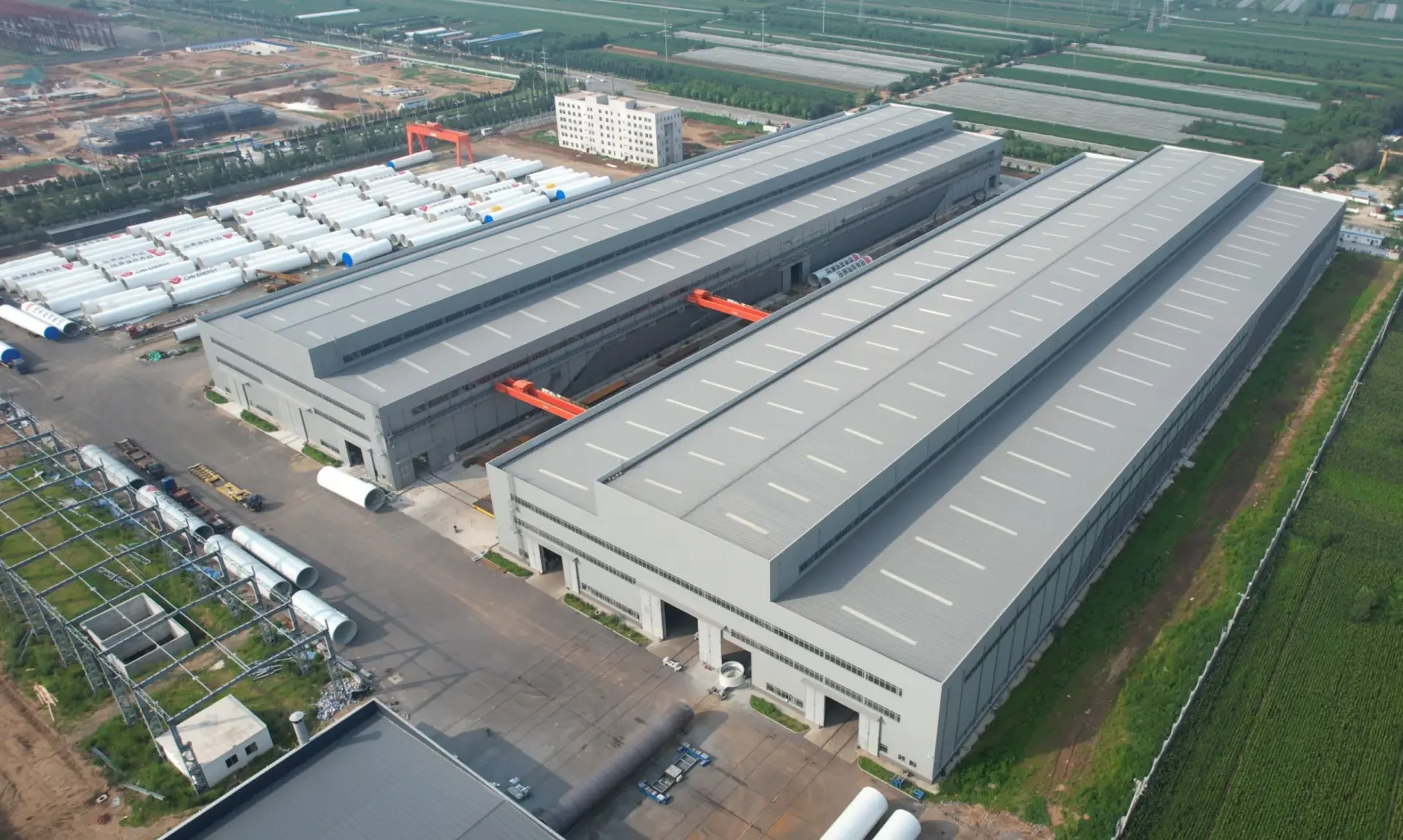
In-house heavy parts — precision casting, large-scale machining and full assembly under one roof; DMTC Mining operates two Dalian production bases covering 450,000 m².
Certifications — ISO 9001, ISO 14001, ISO 45001.
References in your material — ask for the three most recent similar kilns and check them.
Documentation language — for Russian-speaking projects, confirm bilingual EN/RU technical documents before signing.
Full specifications for the rotary kiln system and the rotary drum dryer are in the catalogue at www.dmtcmining.com — in English and Russian.
Frequently Asked Questions
What is the largest rotary kiln DMTC Mining supplies?
Systems range from φ4.0×60 m to φ6.2×87 m; the equipment reaches a maximum diameter of 7 meters, with output from 2,500 to 12,000 t/d.
Can one kiln handle both clinker and lime?
Not the same machine — the temperature curves and refractory profiles differ. Each kiln is configured for one service.
Which fuels can the burner run?
Pulverized coal, gas or oil, depending on the burner design; fuel-switching plans are specified together with the system.
How do we get a price?
Quotes are made per project. Send your material, feed rate and target output to info@dmtcmining.com or through the contact page.