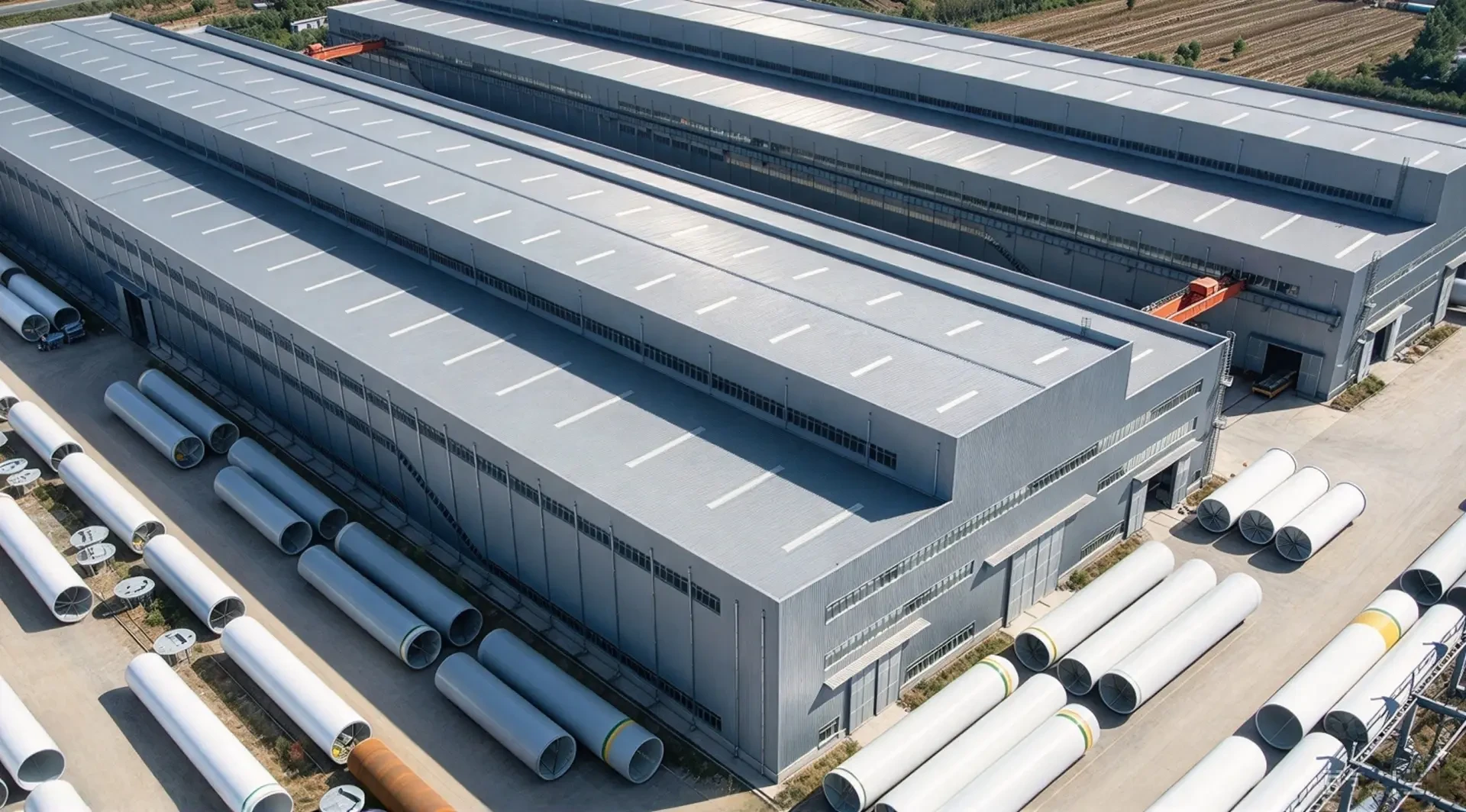
Steel towers are the longest-lived part of a wind turbine: blades and gearboxes get replaced, but the tower stands for the full 25 to 30 year design life of the machine. For anyone buying wind turbine tower sections, the difference between a strong and a weak supplier is rarely visible in the first photos. It is in the flange machining, in the weld records, and in how a section is loaded onto a ship. This guide follows a tower section from steel plate to port, and lists what to check at each stage.
Anatomy of a wind turbine tower section
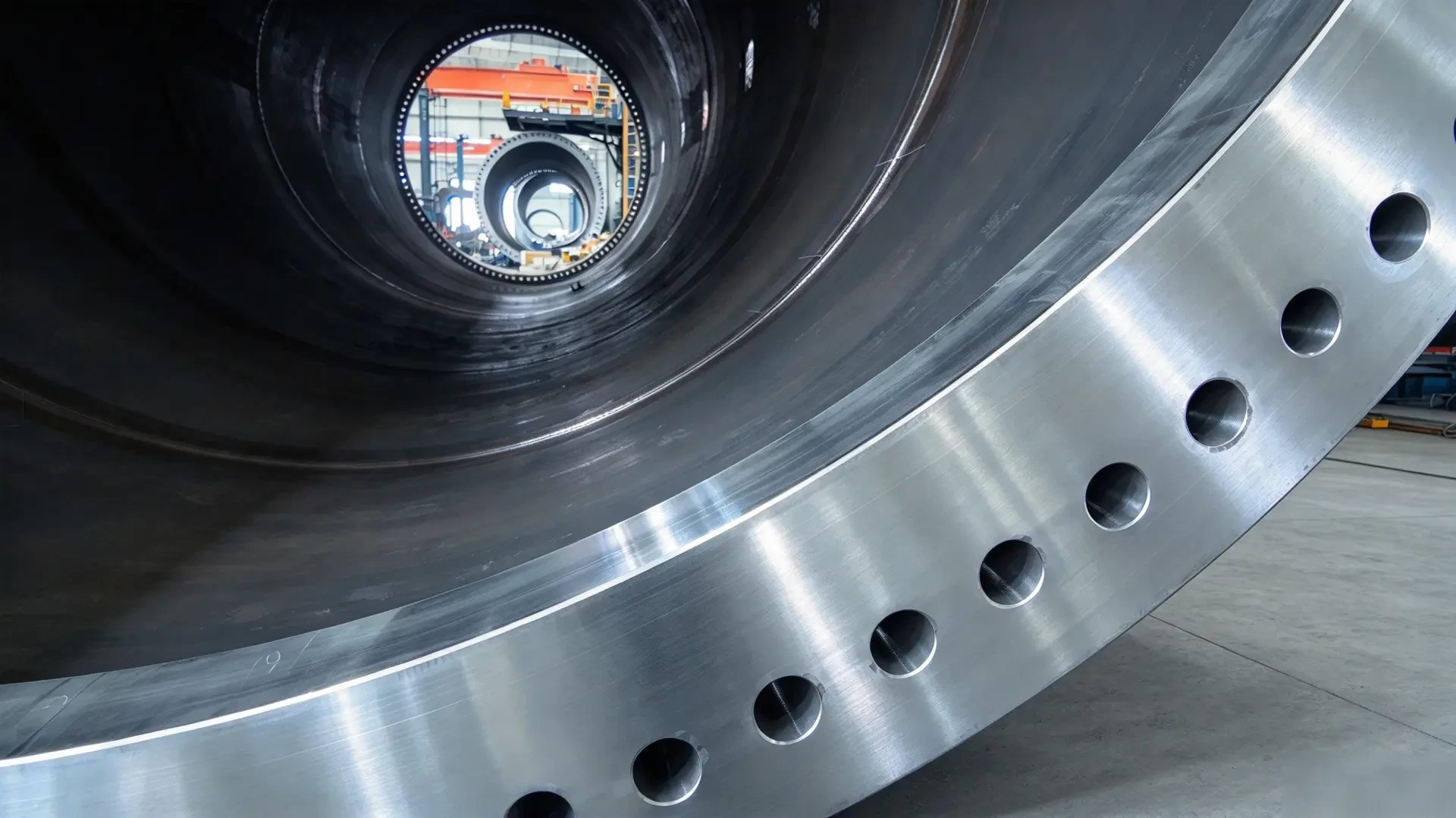
A wind turbine tower section is a conical steel shell with a drilled flange at each end. The taper follows the wind load along the height: bottom sections have the largest diameter and wall thickness, top sections the smallest. Installed sections bolt together into the complete tower, and the topmost flange connects to the nacelle — the housing that carries the rotor, the generator and the control systems. That is why the top flange and its bolt circle get the same machining precision as the bottom one: a misaligned nacelle connection turns a manageable fit-up into a multi-hour site correction.
Wind turbine tower materials and welding
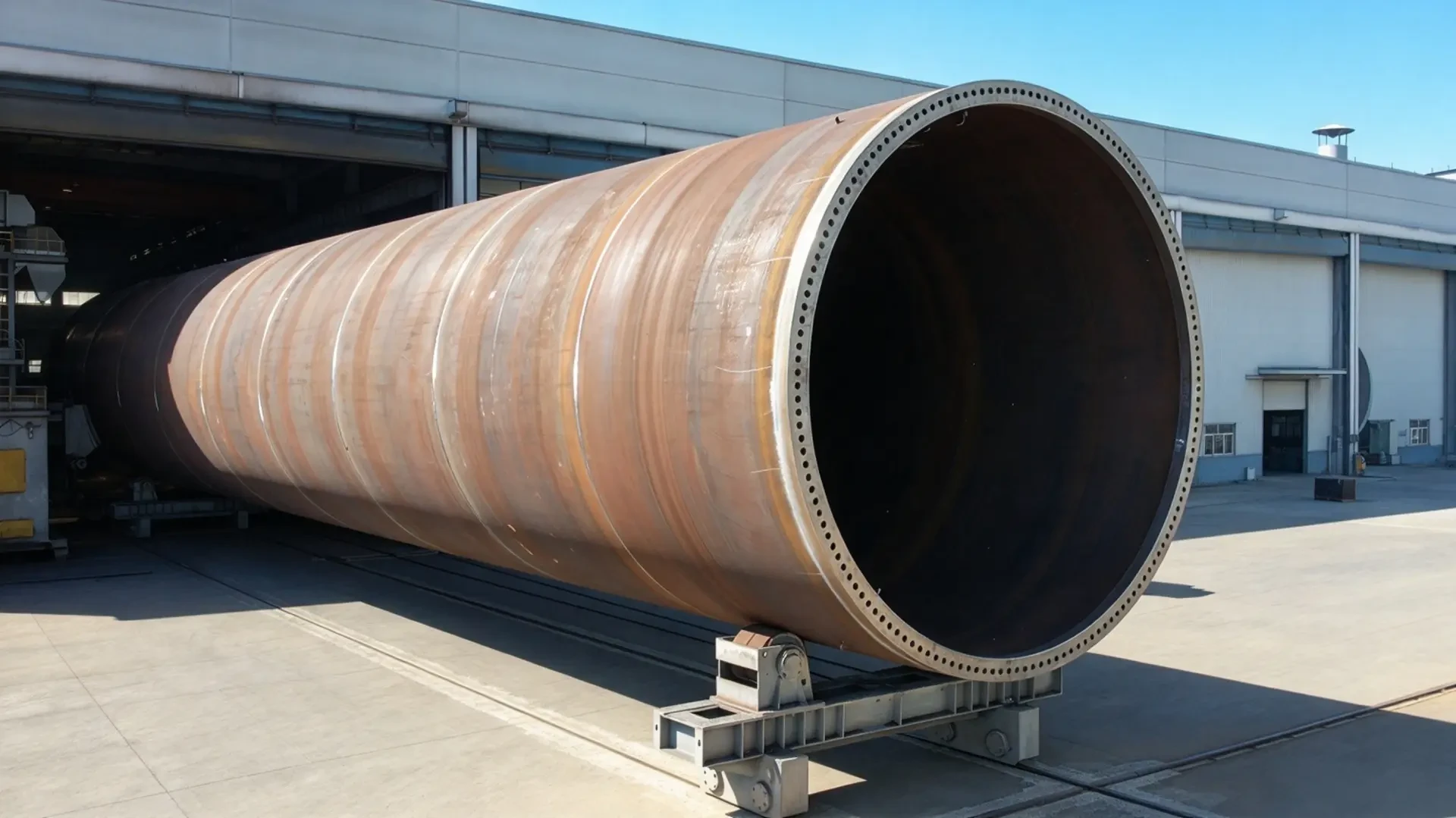
Sections are rolled from hot-rolled structural steel plate and welded along spiral or straight seams; S355-class structural steel is the usual base material for onshore towers. What to check as a buyer: mill test certificates per plate, qualified welding procedures, and certified welders assigned to the specific joints. On a factory visit, ask to see the non-destructive testing records of the last delivered sections — ultrasonic or magnetic particle inspection reports are the proof, not the promise.
Flange drilling and machining precision
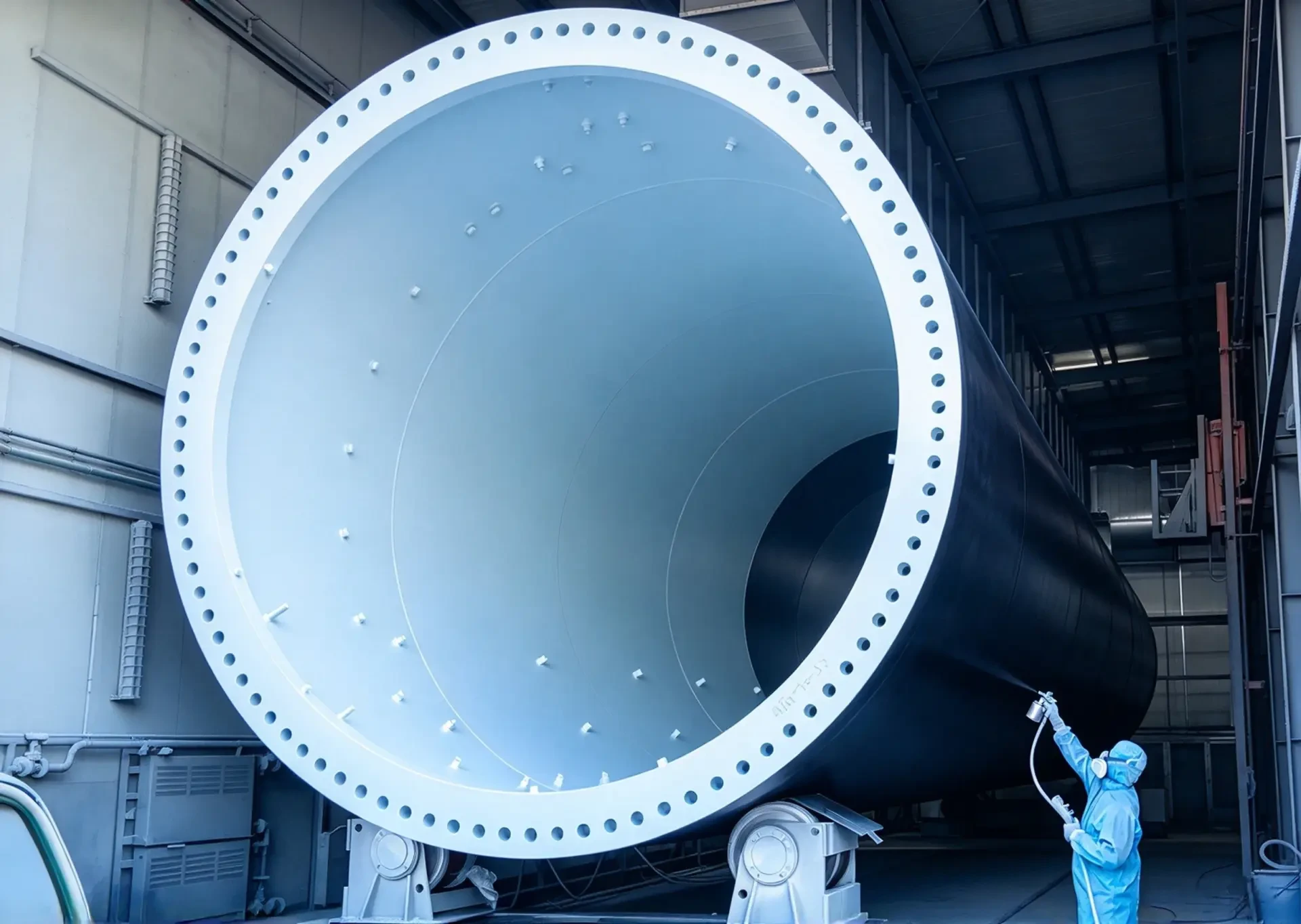
The flange is where one section meets the next — and where the fatigue load runs for the whole service life. After the bolt circle is drilled, the flange face is milled to a flatness tolerance and the holes are reamed to match the mating flange. If your project mixes sections from different suppliers, the hole patterns should be checked for match in the factory before shipment, not on site. A flange that is half a millimetre out of flat can cost a full day of grinding and re-drilling at elevation, with the crane waiting.
Inside the tower: platforms, ladders, elevators and lighting
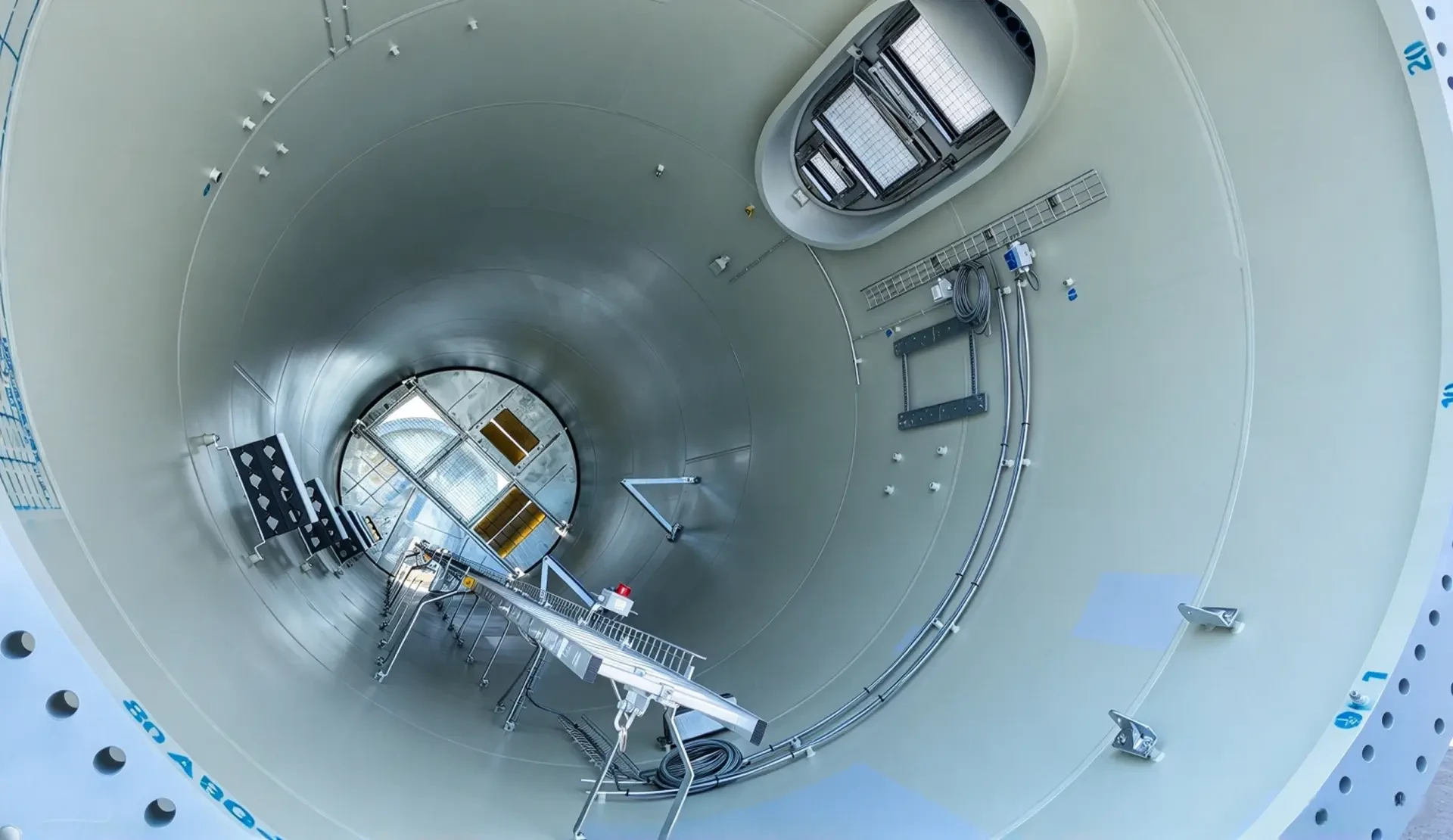
Before painting, the interior is fitted out: maintenance platforms at each flange, ladders or an elevator, lighting, cable trays and anchor points. Elevators inside the tower matter, because service access is a cost the operator pays for decades: in a ladder-only tower, every inspection costs more man-hours. When specifying interior fit-out, confirm what is included in the price: platforms, handrails, lighting, cable management, and whether the tower height requires an elevator shaft.
Coating, inspection and factory readiness
Towers are painted in stages: primer after abrasive blasting, then intermediate and top coats to the corrosion category the project requires, typically referenced to ISO 12944. What to ask for: surface profile readings after blasting, dry film thickness per panel, and the coating inspection report with each section. A section that leaves the factory with its full coating system on board is a section that does not need field touch-up in the first years of operation.
Wind turbine tower design and height
Standard onshore towers range from roughly 60 to 120 metres and are built from three to six sections; taller towers push diameter and wall thickness up, which changes the transport story. How tall is a wind turbine tower, exactly? Modern onshore machines commonly reach hub heights above 100 metres, and the trend is higher, because taller towers reach stronger and steadier wind. Whatever the height, design loads follow IEC 61400 / DNV standards, and the supplier should be able to show the stress analysis for your specific site class — wind zone, soil, temperature range.
Wind turbine tower transport and export
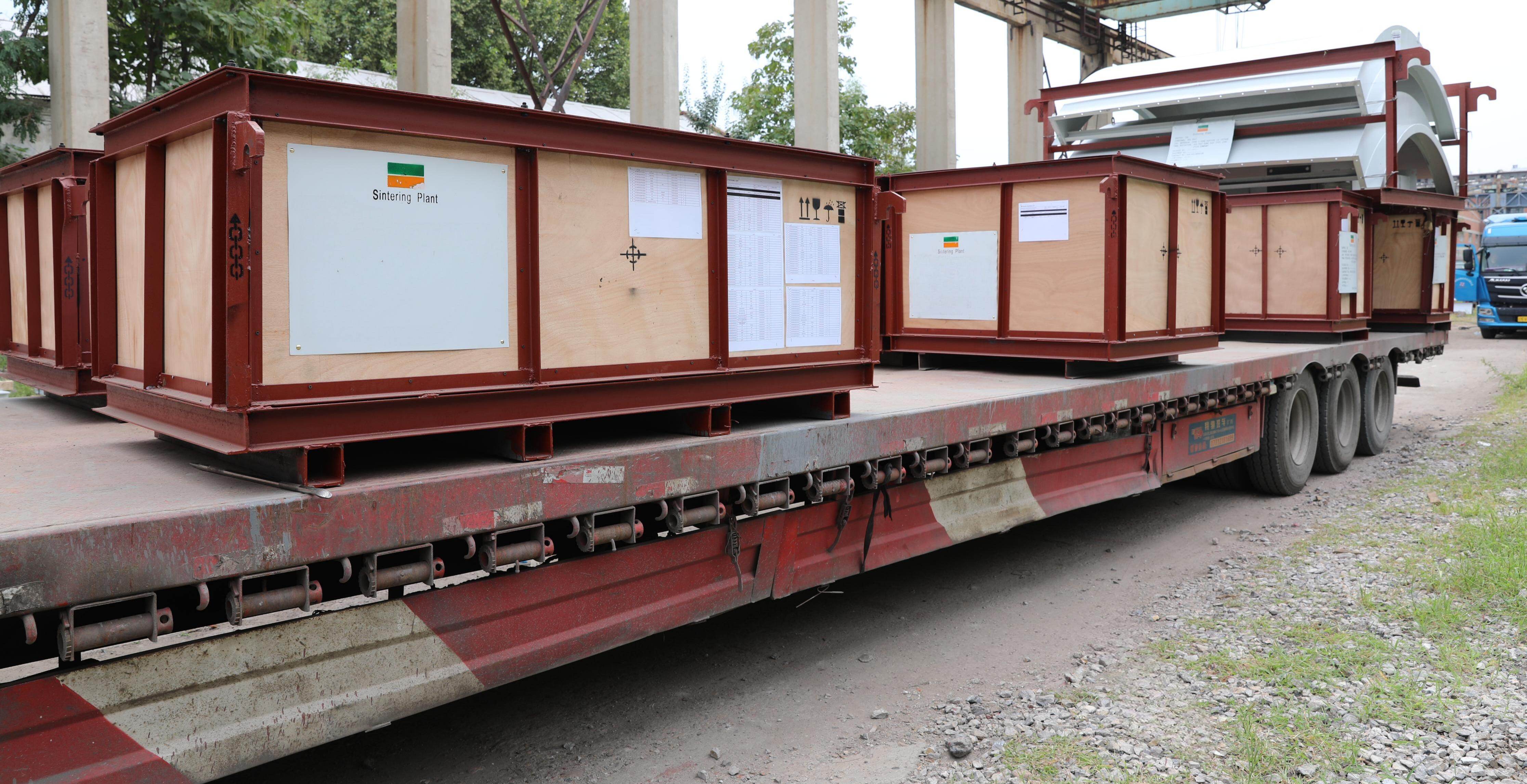
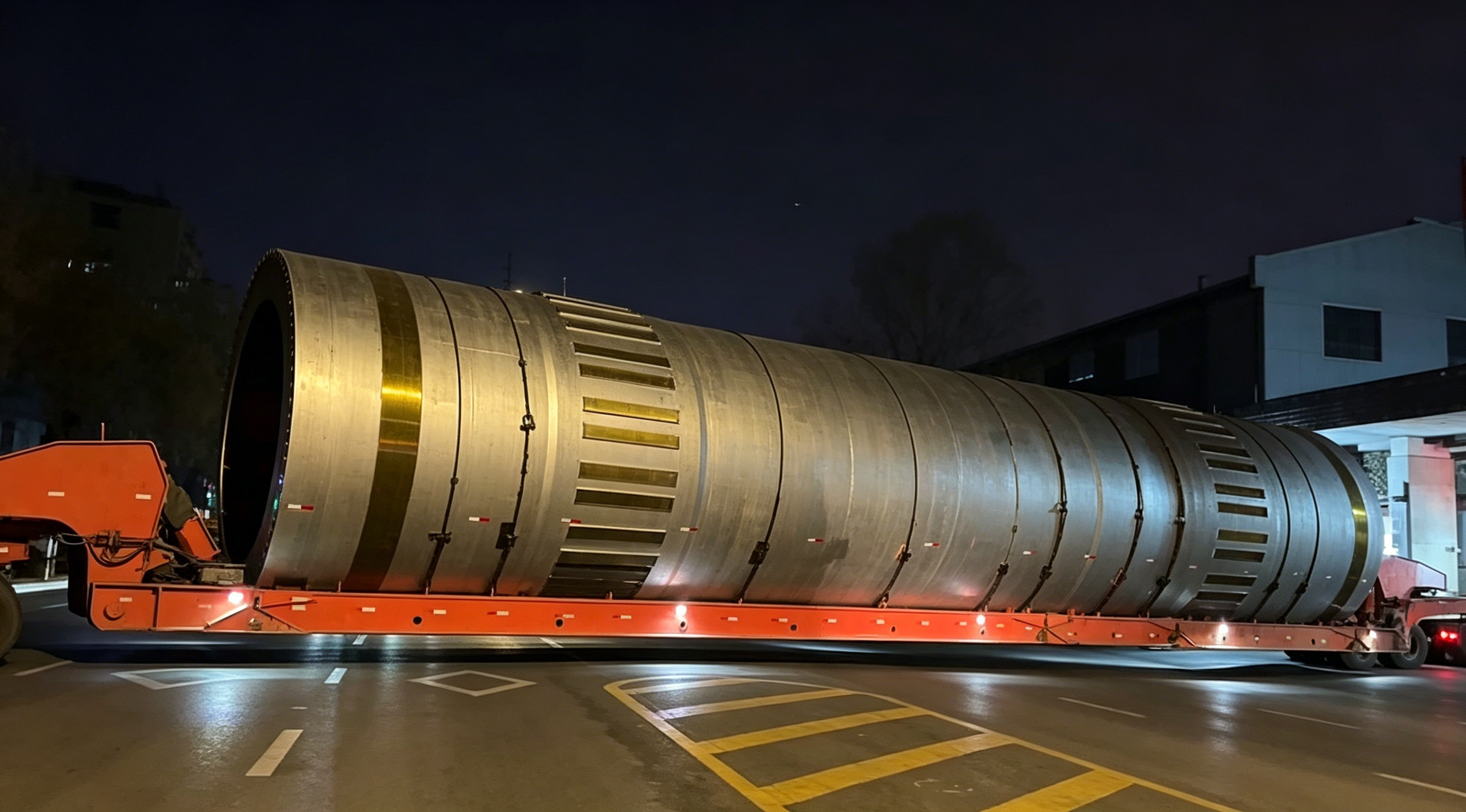
Tower sections are the largest, heaviest and hardest-to-load cargo a wind project moves: diameters beyond normal road widths, weights beyond standard crane capacities, and turning radii that matter in tunnels, roundabouts and port gates. A supplier's logistics plan should state, section by section: road, rail or sea route; transporters; lifting gear; and how the flange faces are protected. For export projects the factory-to-port leg is only the first part — the supplier should already have moved oversized steel structures to ports, with packing lists, lifting points and stowage plans ready for the charterer.
Working with DMTC on wind turbine towers
DMTC Mining is the exclusive overseas division of Chaoyang Heavy Machinery, a heavy-equipment manufacturer operating since 1959, with two plants covering 450,000 m² and ISO 9001 / 14001 / 45001 certification. Alongside its mining and metallurgy lines, DMTC runs its own wind turbine tower production line — the same large-diameter shell technology of rolling, welding, flange drilling, machining and coating that has gone into rotary kilns and drum mixers for decades. For buyers, the combination means one supplier can take a tower project from engineering input to port delivery, in the same turnkey manner DMTC applies to its mining EPC projects. Send your turbine model, tower height and section schedule, and the DMTC team will respond with a specification-based offer.