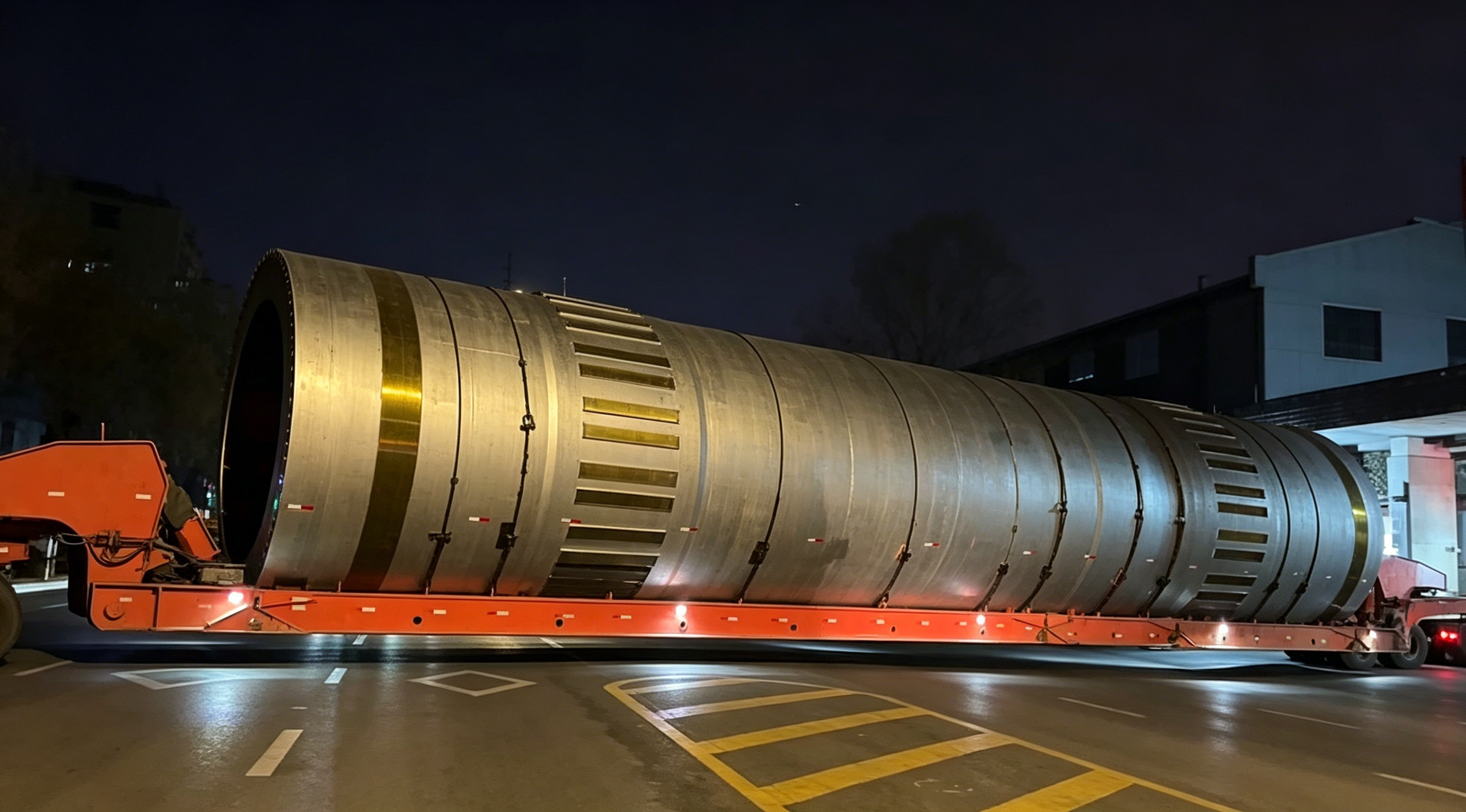
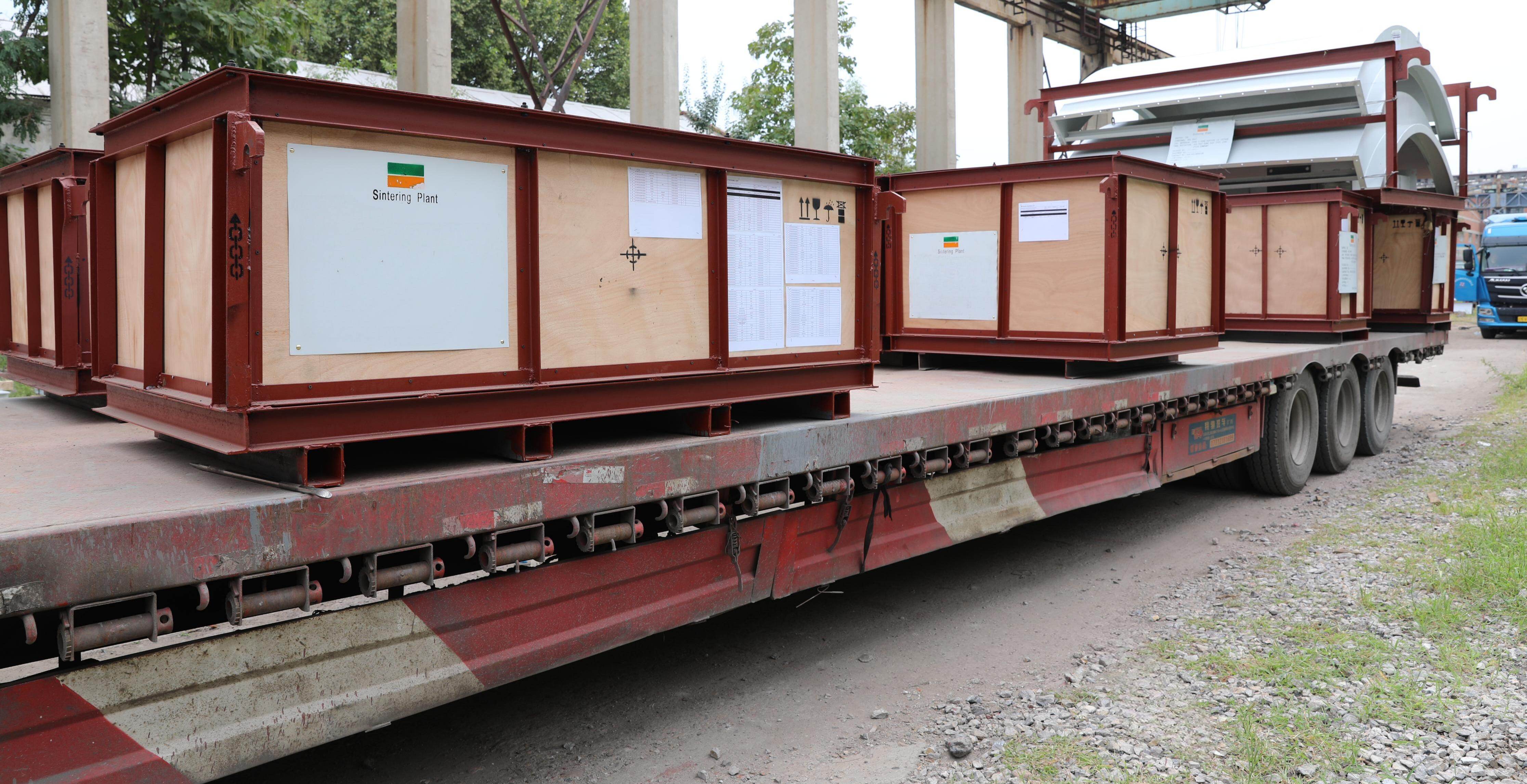
A vertical shaft impact crusher (VSI, often sold as a sand maker) is an impact crusher that shapes aggregate by particle-on-particle impact. For a VSI, efficiency is not a single number: it is output held at a stable power draw, the share of saleable sand in the product, the shape and gradation of that sand, and the wear-part cost per tonne. Five design factors decide where a machine lands on each of those.
1. Rotor geometry and tip speed
The rotor accelerates feed into the impact zone; tip speed and channel profile set the impact energy. Too low a tip speed leaves oversize in the product, too high one breaks good material into fines and accelerates liner wear. A rotor profile matched to feed hardness and target gradation is the single biggest lever on both energy and wear.
2. Feed control and chamber filling
VSI crushers work best on a steady, controlled feed. Rock-on-rock action depends on a consistent material level in the chamber: an under-filled chamber falls back to rock-on-iron impact with higher wear, an overloaded chamber chokes and drops its power draw. A feed conveyor with speed control and a controlled feed opening are part of the machine, not an option.
3. Hydraulic setting and tramp protection
The hydraulic system holds the gap between rotor and casing adjustable from the control room, so product size stays stable as wear progresses. The same system handles tramp release: when an uncrushable object enters the chamber, the casing opens instead of the machine seizing. Both functions protect the power budget and the service interval.
4. Fines control — screening and air classification
The share of material below 75 µm decides whether the sand fits concrete specifications. Options are a closed screening circuit or an air-classification unit; the right choice depends on the target gradation and the space the plant can spare. Getting fines control right at design stage is far cheaper than retrofitting it later.
5. Drive and power matching
Motor and drive must match the real load profile, not the worst-case number. In DMTC's VSI1000 class — 100–500 t/h with 200–400 kW drives — sizing the drive to the duty point avoids paying in electricity for headroom the crusher never uses. Where the plant runs at varying demand, an adjustable-speed drive lets operators trade a little speed for meaningful energy savings at low load.
Checking a machine against the list
When comparing offers, ask each supplier to show how the design scores on these five factors: rotor profile for your material, feed control, hydraulic functions, the fines circuit, and the drive sizing logic. The numbers that matter — power per tonne, wear cost per tonne, sand yield — come out of that design, not from the nameplate capacity.