
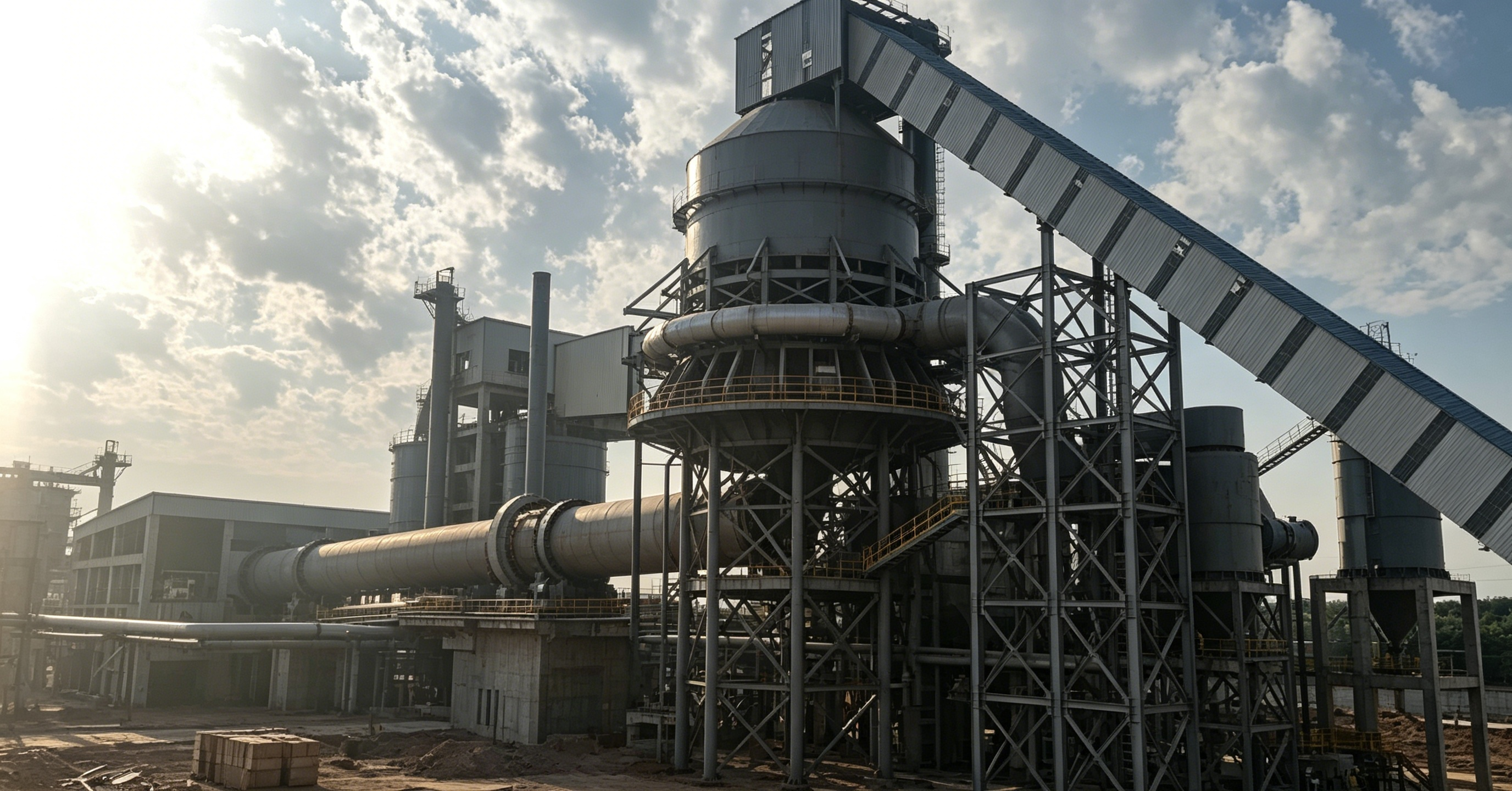
Φ5×72 m Active Lime Kiln Line for Flue Gas Desulfurization – DR Congo
Project Overview
Φ5×72 m active lime kiln line in the DRC: desulfurization-grade quicklime with wear- and corrosion-resistant internals for high-sulfur ore processing.
Customer & Feedstock
The project serves a high-sulfur ore processing operation in the DRC. Smelting and concentrating high-sulfur ore generates sulfur-bearing flue gas; the plant's desulfurization circuit scrubs that gas with quicklime, and the lime must be produced in volume, with reactivity that keeps the scrubber chemistry stable. The customer therefore commissioned a large-diameter calcination line — the Φ5×72 m kiln at its core — as the plant's lime backbone.
Challenges & Requirements
- Scale. A Φ5×72 m shell is a large single-unit machine: mechanical, refractory and drive design all move to a higher class, and the kiln's thermal profile must be managed across a much longer firing zone than standard lime kilns.
- Desulfurization-grade quality. FGD lime must react fast and completely; burning uniformity and reactivity specifications are tighter than for general industrial lime.
- Wear and corrosion duty. Sulfur-bearing service attacks both the process gas side and the wet end of the plant; the parts package was engineered for wear and corrosion, not just abrasion.
- Long campaigns, remote location. With limited specialist support on site, the design bias was toward long overhaul intervals and simple, proven operation.
Solution & Equipment
The line is built around one large machine, with the parts package as the second engineering deliverable:
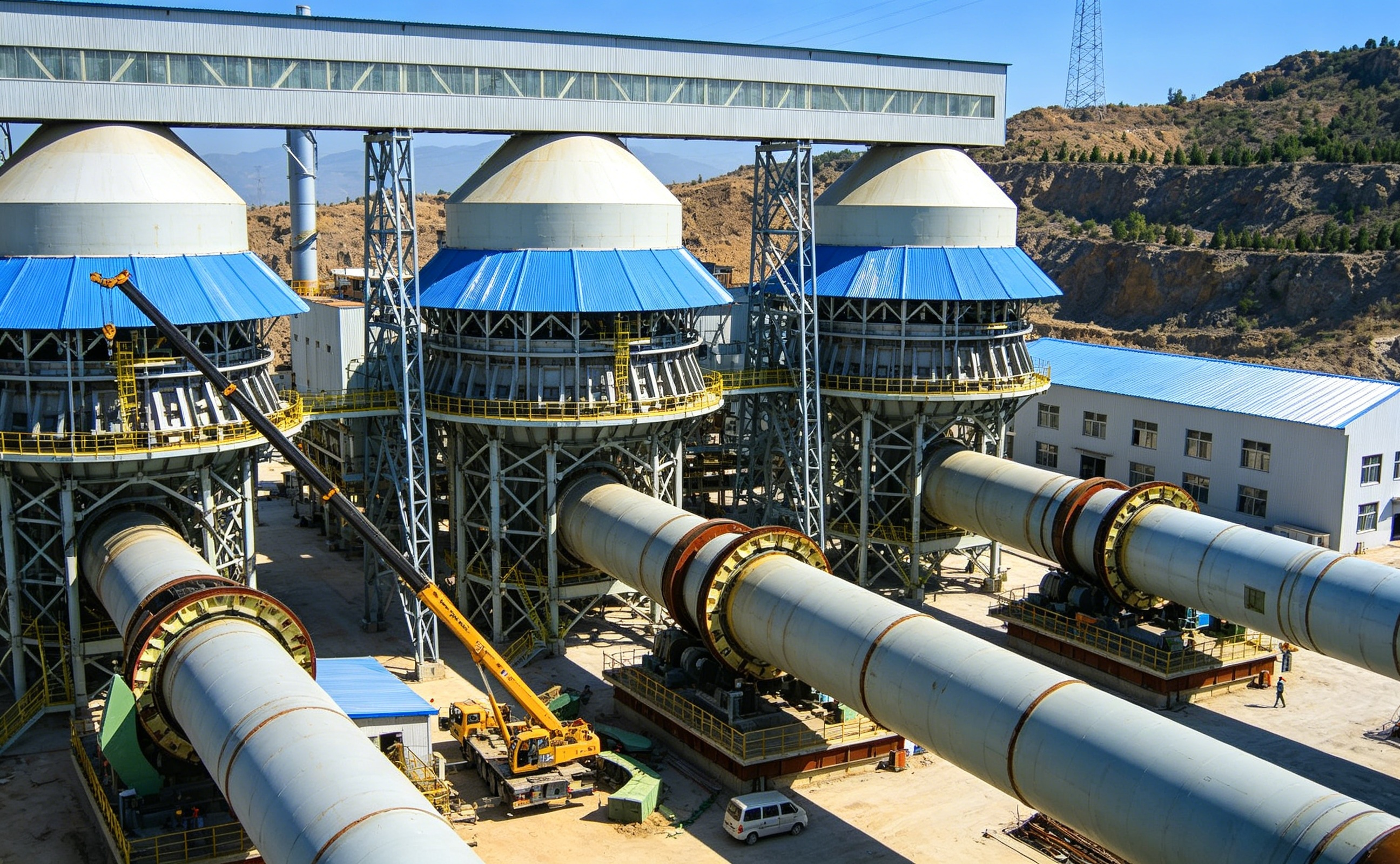
Rotary kiln (Φ5×72 m) — the core calcination unit; high single-line output from the large shell.
Wear- and corrosion-resistant parts (engineered package: shell components, liners, wet-end components) — extended campaign life in sulfur-bearing service.
Belt conveyor (DT / TC / ST series) — transfer.
Process notes. The distinguishing engineering of this line is the parts package: standard lime-kiln components do not survive a sulfur-bearing duty, so shell and internal components were specified for the combined wear-corrosion load.
Design Results
- High single-line design output from the Φ5×72 m shell
- Desulfurization-grade quicklime at stable reactivity
- Wear/corrosion parts package sized for extended campaigns
Why DMTC
- Large-kiln class engineering — the same kiln family DMTC builds for cement, lime and pelletizing duty, pushed to its large end.
- Corrosion-aware design, not just abrasion-aware: the parts specification follows the actual gas chemistry of the customer's process.
- Campaign-length thinking — engineered for the overhaul interval the site's remoteness demands.
Related Products
Need a Similar Solution?
Tell us about your project and our team will prepare a solution tailored to your operation.
Get Similar Solution